
by Ansh Sharma
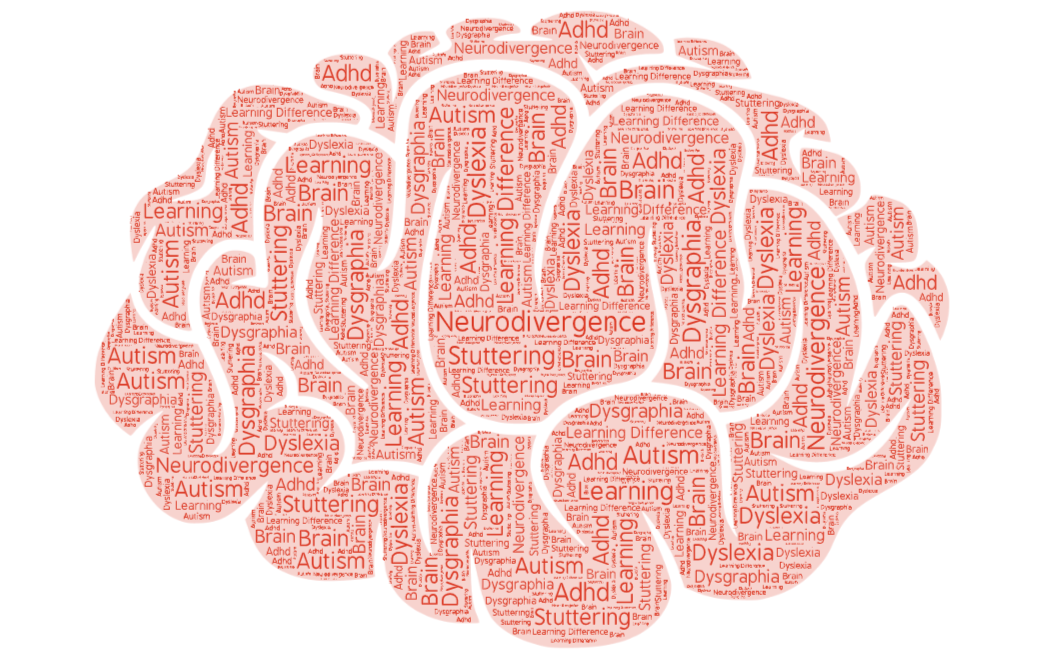
For one student, reading a simple sentence can be a struggle, as if the words are constantly changing places. For another, a restless brain makes focusing in class feel impossible. These are some of the challenges students deal with when they have a learning difference. Dyslexia, ADHD, and a speech impediment known as stuttering are all well-known neurodivergencies that may impact a student´s ability to learn. Over the years, our understanding of neurodivergency, which is a range of conditions that affect how the brain processes information, has been considerably improved. These recent developments in the field have allowed for more targeted and professional support for neurodiverse individuals. Through such personalized strategies, the negative impacts of many learning differences can be reduced. Possible approaches may include certain therapeutic video games, yoga practices, specialized lenses, multi-sensory instruction, and meditation exercises. Overall, an individualized program for providing support to individuals with learning differences is crucial.
Dyslexia
Dyslexia is a widespread condition that affects nearly 20% of the population. The primary causes for dyslexia are hereditary factors, differences in brain structure and function in areas that are involved in processing language, and inefficiencies in somebody’s lexical route, which is the pathway from your eyes to your brain that allows you to decode letters. This difference in the lexical route can cause letters to flip, turn, or move around the page. Although the severity may differ, it can greatly affect an individual’s ability to read, write, and spell fluently.
Here’s a short video to give a better understanding of how dyslexia can affect you.
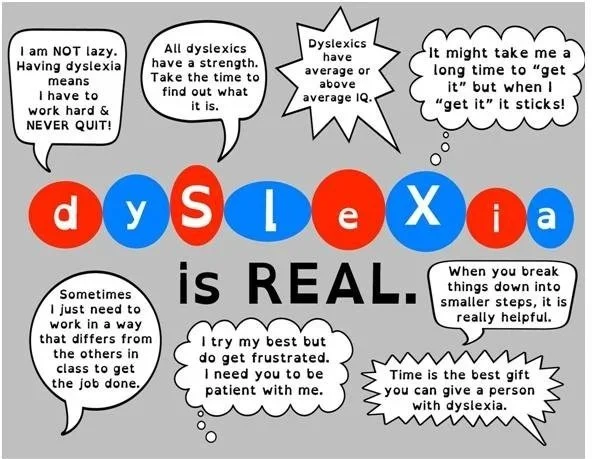
Through recent developments, the effects of dyslexia can be reduced through two new approaches: ChromaGen lenses and multi-sensory learning. Those who are dyslexic often have trouble processing visual information as well as controlling their eye movements, both of which are extremely important while reading. ChromaGen lenses are an FDA-approved technology that help by filtering the light wavelengths that go to the brain so the light can be more stable. This allows the wearer to see a clearer image of what they are processing. The second method that helps with dyslexia is multi-sensory learning, which is a type of education that stimulates several different senses to help students understand topics not only through sight, but also through touch, sound, smell, and taste. This creates a more memorable learning experience that helps students with these different learning styles to better understand and retain subject matter. An example of a multi-sensory learning approach is the Orton-Gillingham approach. It is a systematic and multi-sensory approach to teaching reading and writing. Overall, we as a community have found better ways to help students who have dyslexia to more effectively learn to read and write with less frustration and stress.



ADHD
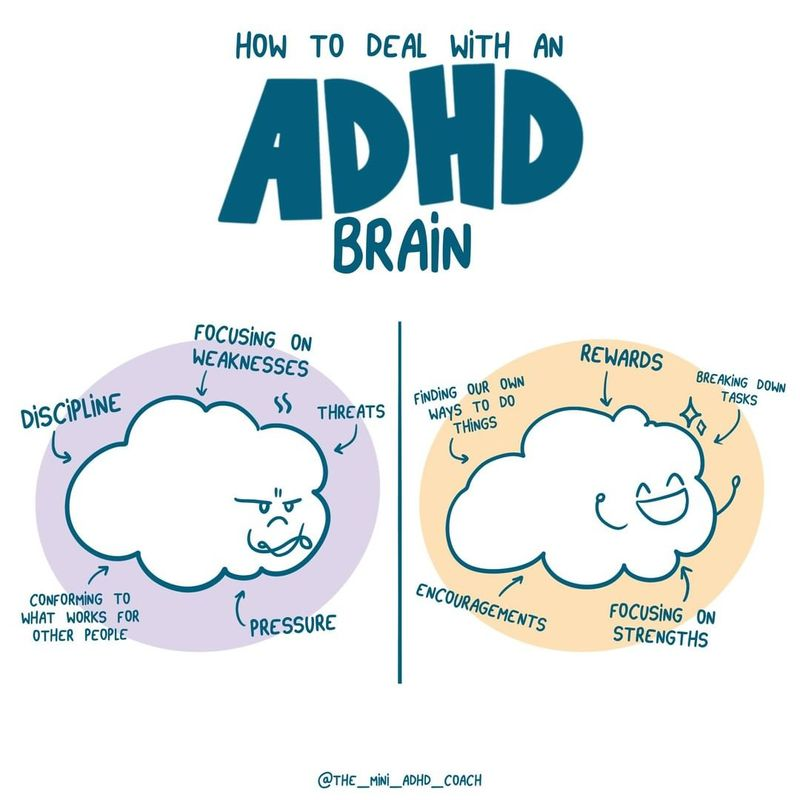
Another common learning difference is ADHD, which stands for Attention-Deficit Hyperactivity Disorder, which is estimated to affect nearly 11% of the population. The primary cause for ADHD is a still-developing prefrontal cortex. In the past, the primary treatment has involved dietary changes and pharmaceuticals. However, there are now several new ways to address this neurodivergency, including a video game known as Endeavor. These FDA-approved video games strengthen cognitive pathways that relate to focus: Endeavor RX, approved in 2020 for those aged 8-17 and Endeavor OTC, approved in 2024 for 18+. Both are racing-type games in which the player needs to navigate their character through obstacles while gathering targets. This combination requires a lot of focus and precision to carry out. Furthermore, the games provide the player an adaptive difficulty, meaning the level increases to match the player's capability, which creates sensory stimuli and motor challenges that target areas of the brain related to a lack of attention. In addition, meditation is another way that can significantly improve focus and develop the prefrontal cortex. Meditation allows the brain to thicken the prefrontal cortex and increase self-control. Practicing the ability to keep your mind clear and pushing thoughts away to stay focused can help with decreasing attention deficiency. This increases their ability to stay on task because it allows them to come to a state of inner peace. This allows those with ADHD to calm themselves and their minds, creating a successful and effective environment for them to learn and try new activities. Of course, this is valuable for everyone, not just those who are attention deficient. Even if each session only helps a little bit, all of the efforts add up to expand the brain’s capacity to focus. So as you can see, there are several effective ways to help those with ADHD become more focused and centered.
Stuttering
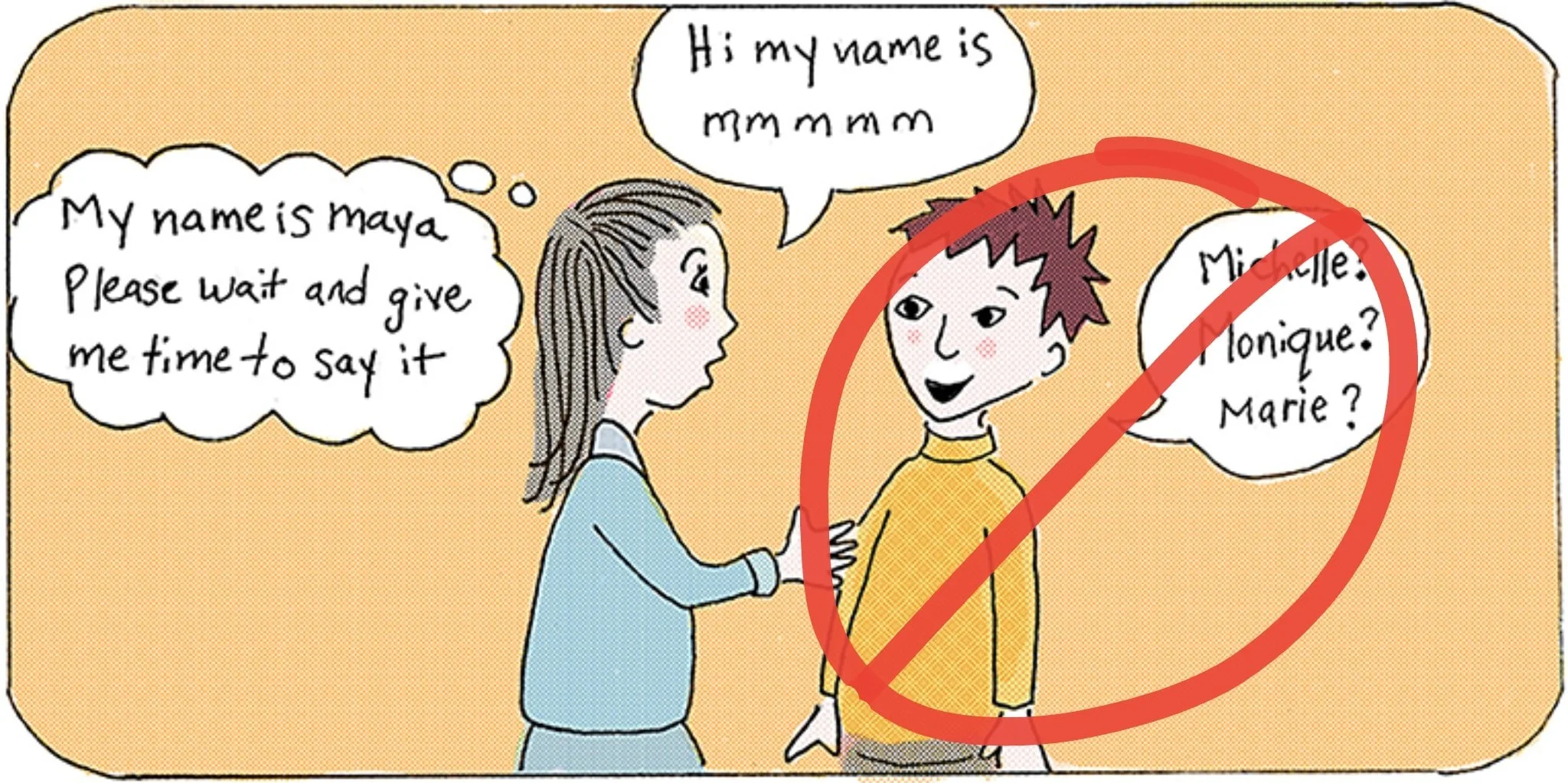
Around the world, 70 million people suffer from speech impediments such as stuttering. Stuttering are instances when someone is speaking and they have difficulty in completing their words. These instances are known as blocks, and they can cause embarrassment in school and other public settings. However, many people who stutter have reported that meditation helps to remove these negative feelings and helps improve their self-esteem. This allows for them to have less stress around their peers and helps them accept that everyone is different and has their own challenges. Through practice, patience, and self-acceptance, those who stutter have discovered an increase in confidence, which can create a positive feedback loop that actually decreases the instances of stuttering during conversations.
One way that non-stutterer can help increase the confidence of someone who stutters is by being patient and letting them speak instead of trying to finish their sentences for them. This helps them feel as if they are accepted by their peers and due to this mindset, they will become more fluent and reliable in their speaking. Studies have shown that it helps stop the “blocks” that cause stuttering in a flow of speech. When I spoke to some students who stutter, they explained it as a restriction that makes the words feel like they are “getting caught” on their tongues as they speak. Many times this happens due to too many thoughts going on in their minds at once, so meditation can help to lower the distractions and increase focus as they speak. All in all, meditation and other techniques can help reduce the instances of stuttering.
Overall, in recent years there have been many innovations to help neurodivergent students more effectively deal with dyslexia, ADHD, and stuttering. Our ability to find ways to provide assistance to people who have these differences can help bring various learning communities together. ChromaGen lenses and multi-sensory learning can help with dyslexia, Endeavor RX and Endeavor OTC and meditation can help with ADHD, and meditation can also greatly impact people who stutter. Overall, through these personalized strategies and approaches, students with learning differences have increased their academic success as well as their sense of satisfaction and self-esteem.