Rupture in the Atlantic Alliance
by Azfar Hasin
January of 2026 will go down in history for many reasons. The rapid collapse of Rojava in Syria, uprisings and massacres in Iran, the rise and end of South Yemen 2, the killings of two Americans in Minneapolis by ICE, the release of the second batch of the Epstein files by the Department of Justice, and the military operation in Venezuela that removed Nicolas Maduro, among others, have all occurred in this 31 day period. But what takes the cake for its overall strategic significance is American president Donald Trump’s threats of annexation, or taking control forcefully, against the island of Greenland, an autonomous territory of the Kingdom of Denmark, under the guise of national security and defense against Russia and China. In what could be considered a standoff, the United States repeatedly threatened military action and a trade war against European countries who had participated in a military exercise over the Arctic. While Pres. Trump’s explicit threats have mellowed now for the most part, with negotiations being kickstarted within NATO, the effects on the trans-Atlantic partnership and our military alliances will continue to ripple out across the Atlantic and the world.
But what is Greenland? Who are the actors involved, and what’s so important about this sheet of ice?
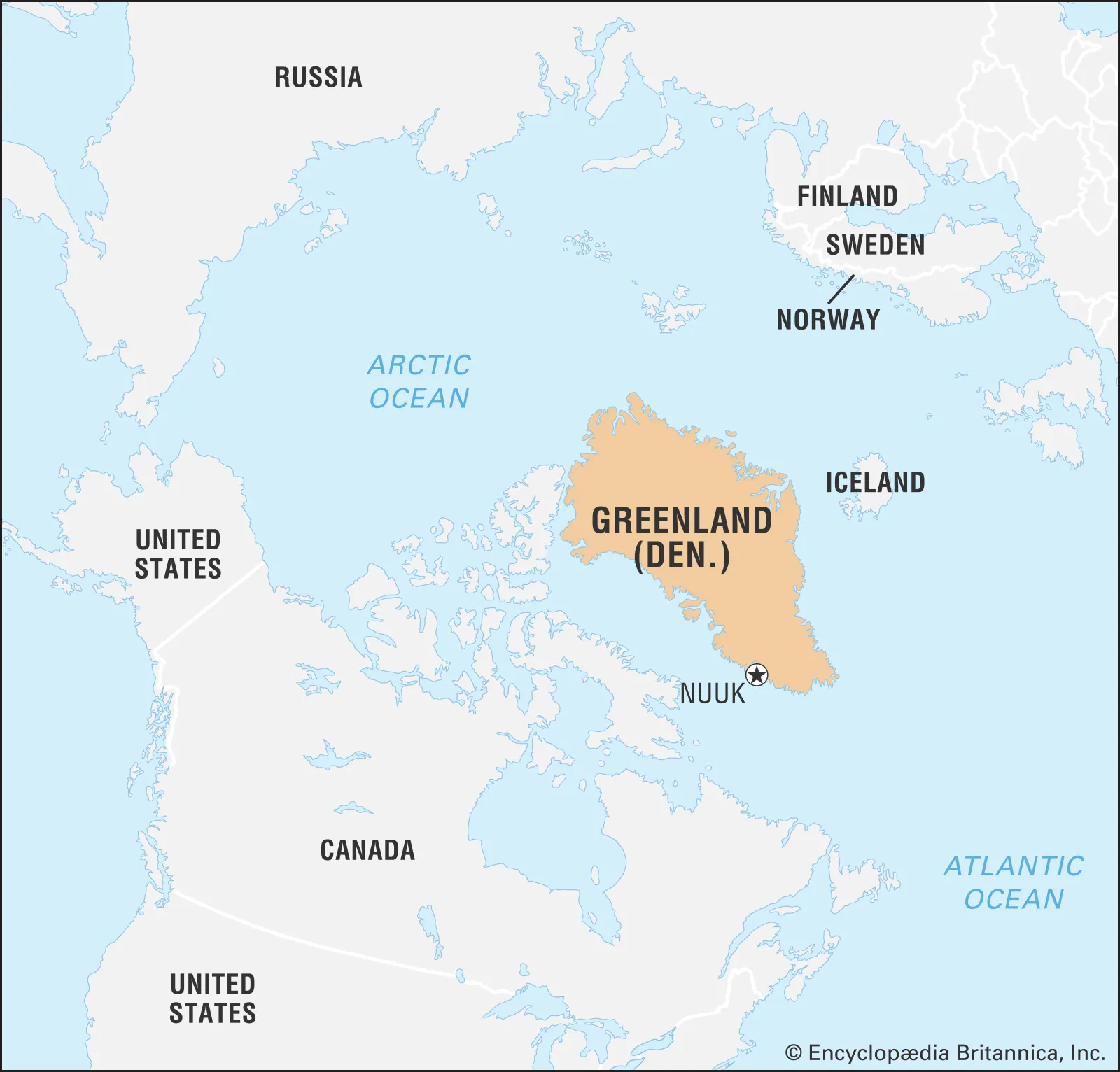
Greenland is the largest island on Earth and is located in the Arctic region, northeast of Canada and northwest of the European continent. It is a sparsely populated island home to 50,000 with 80% of its surface covered by a large ice sheet. Demographically, it is home to mostly indigenous Inuit, with some minority European Danish communities, a remnant of both its violent colonial period and migration during the 90s. Politically, Greenland is a vibrant multiparty democracy with a large, independence-aligned faction. In fact, in the years before Trump’s second term, Greenland’s politics had been trending towards independence from Denmark.
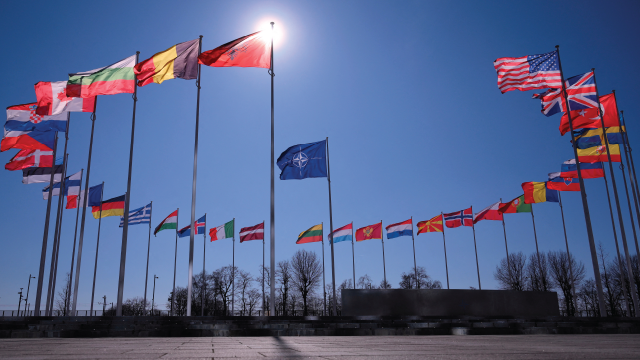
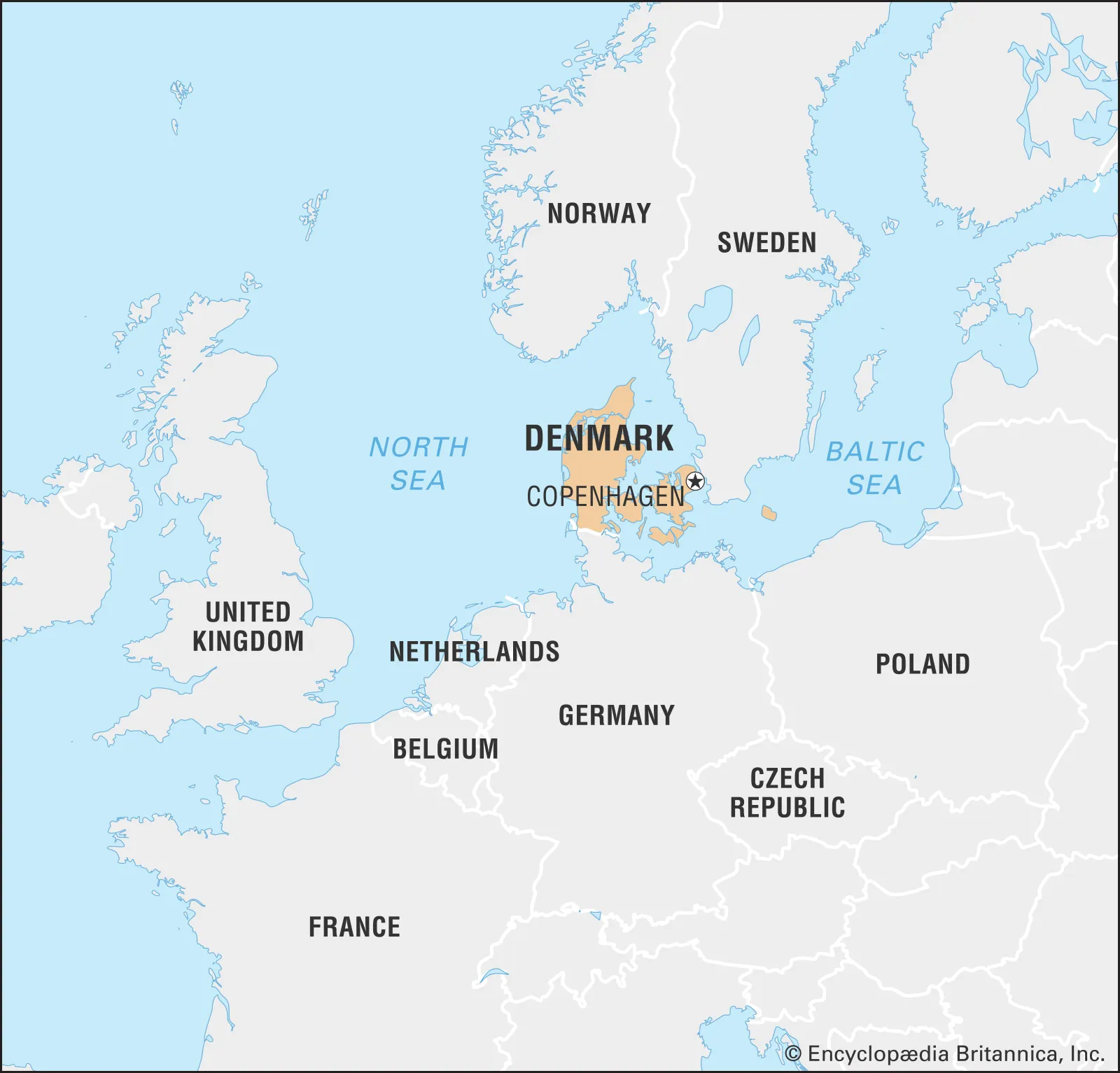
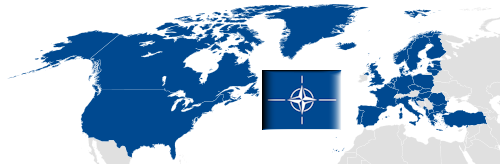
As part of Denmark, Greenland is part of the North Atlantic Treaty Organization (NATO), a military alliance consisting of 30 European states, the United States, and Canada. Of those, the U.S., France, and the United Kingdom are nuclear powers. NATO was originally established to defend democratic nations from the Soviet bloc during the Cold War after World War II. An attack on one ally is considered an attack on all. After the end of the Cold War, NATO’s European nations supported American missions in Serbia, Libya, and Afghanistan. Renewed attention was given to the alliance after Russia’s invasion of Ukraine in 2022, resulting in a rising frenzy of military spending and armament across the alliance. There is no mechanism for a member state attacking another member state. This is relevant because Denmark is also a party to the European Union, a political and economic union consisting of 27 nations. EU member states have less restrictions on inter-union trade and travel, with nations operating as a single market. These alliances have been credited for the relative peace in most of Europe since the end of WW2.
In the past, Greenland became militarized during WWII and the Cold War, when it was used by the United States for warning systems and for air and naval bases during a time when Europe was divided and polarized. But with climate change and receding glaciers, Greenland is once again back in the headlines for its strategic importance. In the coming decades, Arctic ports will become warmer, opening the way for new, more convenient economic routes around the Arctic Circle, which will open up a new front of competition with the Russians and the Chinese. In recent years, numerous natural resources such as fossil fuels and various rare earth minerals, including uranium, have been found in Greenland.
When Donald Trump regained the presidency in January of 2025, he brought increased attention to the island. Trump officials, such as JD Vance, visited Puffuk Space Base, currently the only American base on the island, and they repeated claims that the United States needed Greenland for national security, despite Denmark always being open to new American bases and support in the Arctic. In addition, Pres. Trump has often provoked European governments by supporting political parties considered to be far-right, like the AfD in Germany or Orban in Hungary. European countries have also condemned and criticized Trump’s handling of negotiations over the war in Ukraine, which have often sidestepped the European Union.
Then on January 3, 2026, U.S. forces executed a military intervention in Venezuela. The operation that captured Nicolas Maduro, the self-proclaimed and authoritarian president of Venezuela, showed to America’s allies and enemies that Washington would reassert hard power and dominance over the Western hemisphere, its so-called “backyard.” In the days following the operation, attention quickly shifted towards Greenland. Government officials, like Stephen Miller and his wife, voiced their support for the island’s annexation. Backed up by his aides, Pres. Trump repeatedly said that Greenland will be annexed, or taken over, “whether they like it or not”. He said that he could use a variety of tools, including military force to reach this aim. He also reposted AI generated maps of the American flag overlayed onto numerous countries, including Canada and Greenland, on his social media account on Truth Social.
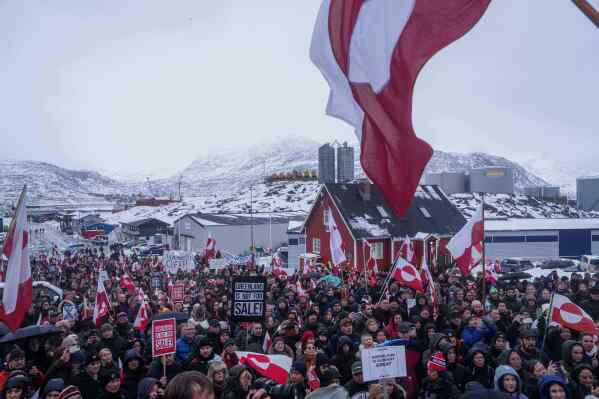
Europe reacted strongly to the perceived threats to Danish sovereignty in Greenland. Protesters lined the streets of the capitals of Denmark and Greenland. Twelve European NATO members, including Denmark, moved to bolster the island’s defenses as a part of Operation Arctic Endurance. Enraged, Trump announced that the U.S. would add tariffs of 10% to goods coming from those countries. He continued to reject the notion that Denmark would be able to defend the island, incorrectly claiming that they only had 2 dogsleighs on the territory. Instead of backing down as Trump may have expected, European nations, spearheaded by France, stepped up their own economic retaliation, threatening to kill a previously signed free trade agreement and floating the Anti-Coercion Instrument, which is often called “the trade bazooka.” The Anti-Coercion Instrument is a tool that could be used to restrict trade and investment with an unfriendly nation and their companies. If applied to the United States, it would put the $2 trillion trade between the two blocs at serious risk and block American companies from a market of 450 million people. The situation looked like it was spiraling downwards into open-ended economic warfare.
Likely expecting our European allies to roll over, Trump may have been taken aback by their response. On January 21, as a part of his speech at the yearly World Economic Forum in Davos, Switzerland, Pres. Trump broke with his previous statements, saying that military force would not be used. Later, he also backed down on economic threats and moved to the bargaining table with Denmark and NATO, opening negotiations. Trump’s demands have shifted, with full annexation of Greenland no longer on the table.
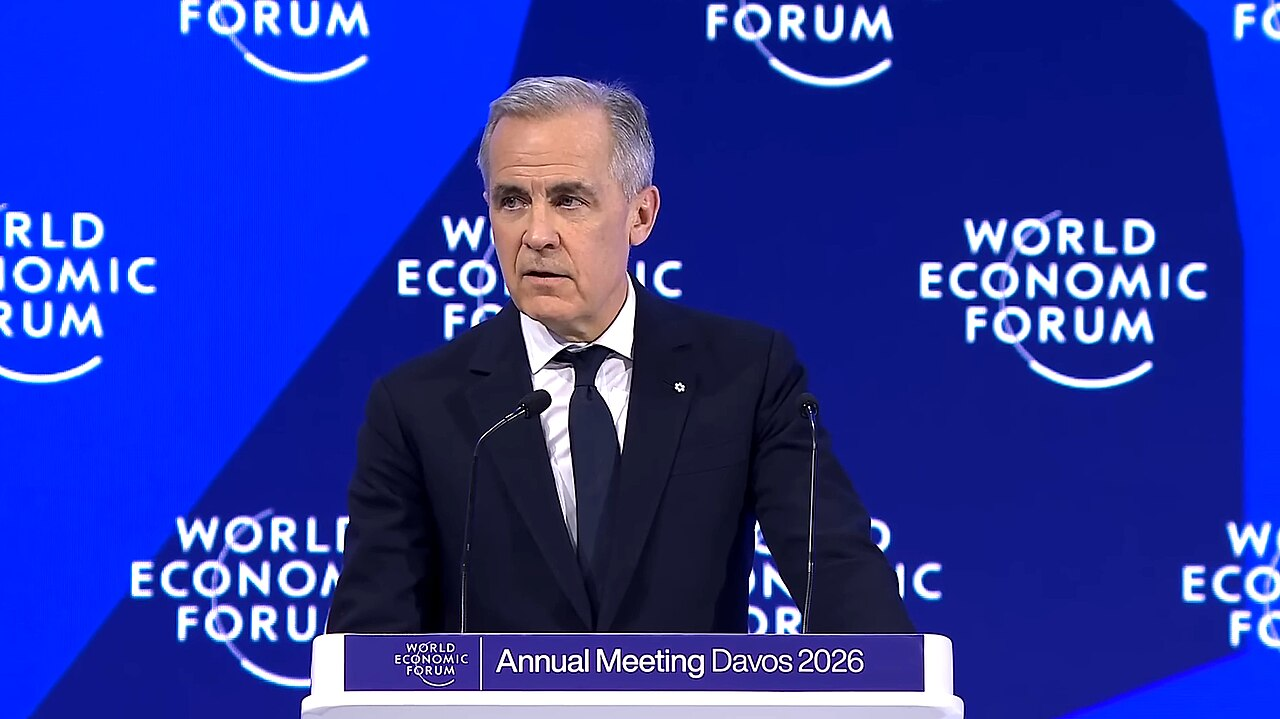
Canadian Prime Minister Mark Carney
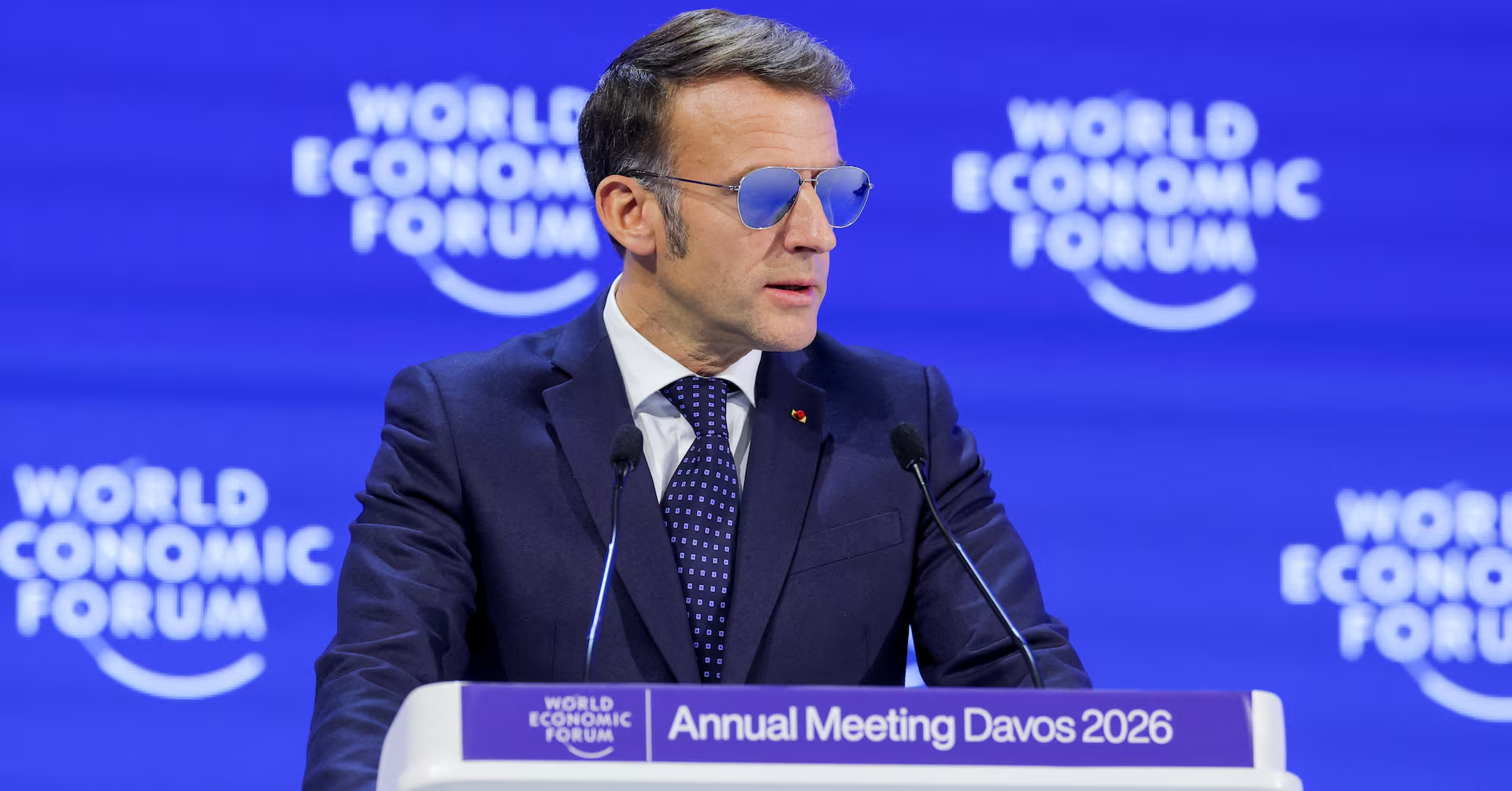
French President Emmanuel Macron
Among one of the most unexpected speeches from Davos came from Mark Carney, a former central banker and the current prime minister of Canada. He spoke about a world order that was transitioning towards a new and more unpredictable era, where previously-sacred international law could become useless and great power rivalry would risk subsuming “middle powers” like Canada and France. Rhetoric like this from a former banker and liberal would have been unthinkable just a decade ago. His speech was followed by French President Macron, who emphasized greater European integration and cooperation.
The events of the last month have caused the largest fissure in trans-Atlantic relations since France’s condemnation of the war in Iraq in 2003 and, further back in history, America’s condemnation of Franco-British imperialism in Egypt during the 1950s. The effects of this will reverberate far past 2026 and the second Trump presidency. For other American allies, they could well be wondering: if Washington could bully and attempt to annex territory controlled by a loyal ally that served faithfully after 9/11 in Afghanistan, what’s stopping them from doing it to us? Since the crisis in Greenland, America has also threatened Canada, blocking the opening of a cross-border bridge, threatening further tariffs, and even hosting right wing separatists from the province of Alberta.