
Why Are RAM Prices Skyrocketing Right Now?
by Russell Vinluan, Mukunth Indrajeet and Daniel Zlochisty
If you are currently looking to upgrade your computer, you probably know about how RAM prices are skyrocketing. What once felt like a cheap upgrade, like adding 16GB or 32GB of RAM, has become costly. According to market reports, memory prices have risen sharply through late 2025 and into 2026, with some DDR5 units costing 2.5x to 4x what they did a few months earlier.
What is RAM? Random-access memory, also known as RAM, is used for short-term memory access and is used for storing the active data that your CPU uses while running, like the game’s open levels, your operating system, and all running applications. RAM also has the property of being volatile which means that when the system turns off all of the data stored inside of the RAM dissapears when the system shuts down. This is opposed to your data storage which non-volatile but significantly slower memory that stores non-active data such as files and applications. Having more, faster RAM usually increases system performance because the CPU has to spend less time waiting for the data from the slow data storage.
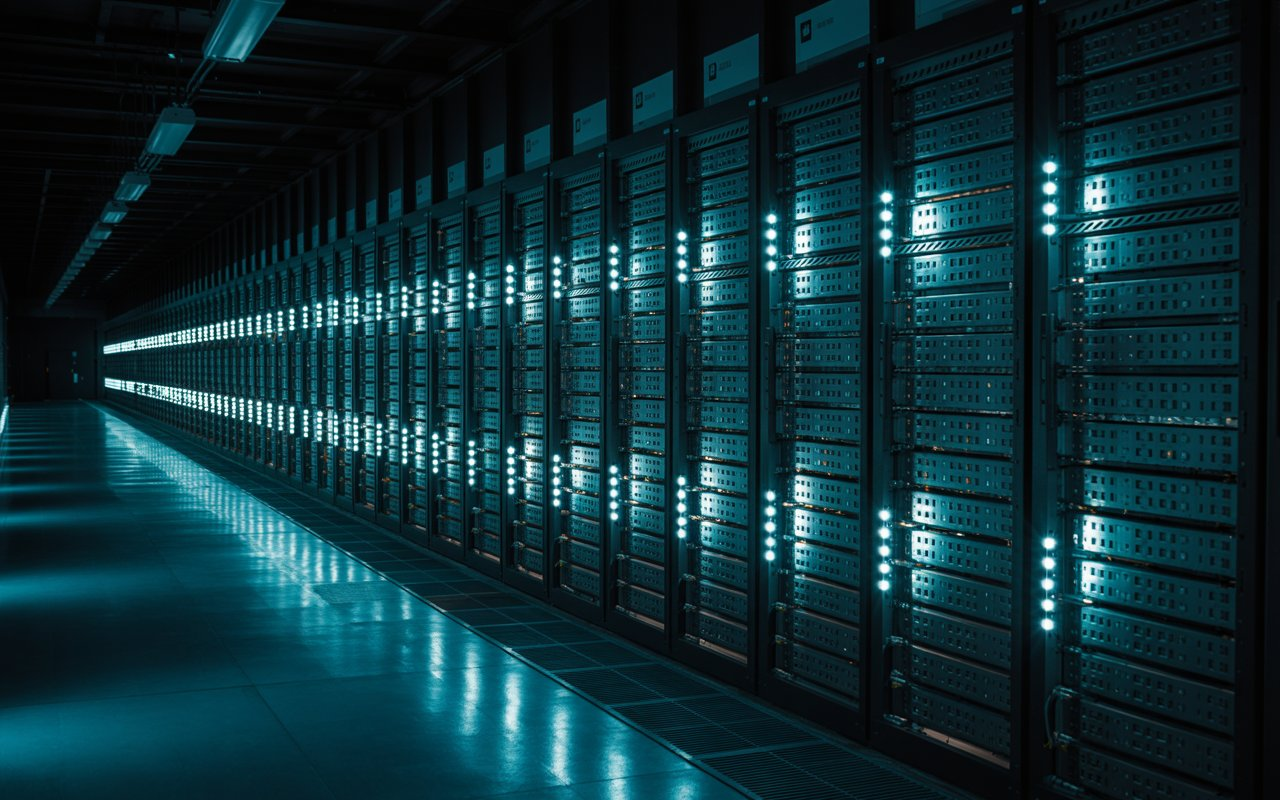
The largest and most urgent consumer of high-performance memory today is the AI and data center industry. Training and running smart AI models, such as those that generate images or hold complex conversations, requires a lot of memory. These data centers buy specialized, ultra-high-capacity memory like High-Bandwidth Memory (HBM) and large DDR5 RAM modules. This demand is so intense that major memory manufacturers like Samsung, SK Hynix, and Micron are dedicating a higher amount of their resources and production capacity for AI centers, which is limiting supply for gaming PCs. By prioritizing these enterprise orders, manufacturers are unintentionally producing less standard consumer-grade DDR5 and DDR4 memory. This creates a shortage of PC components, which drives prices up for everyone.
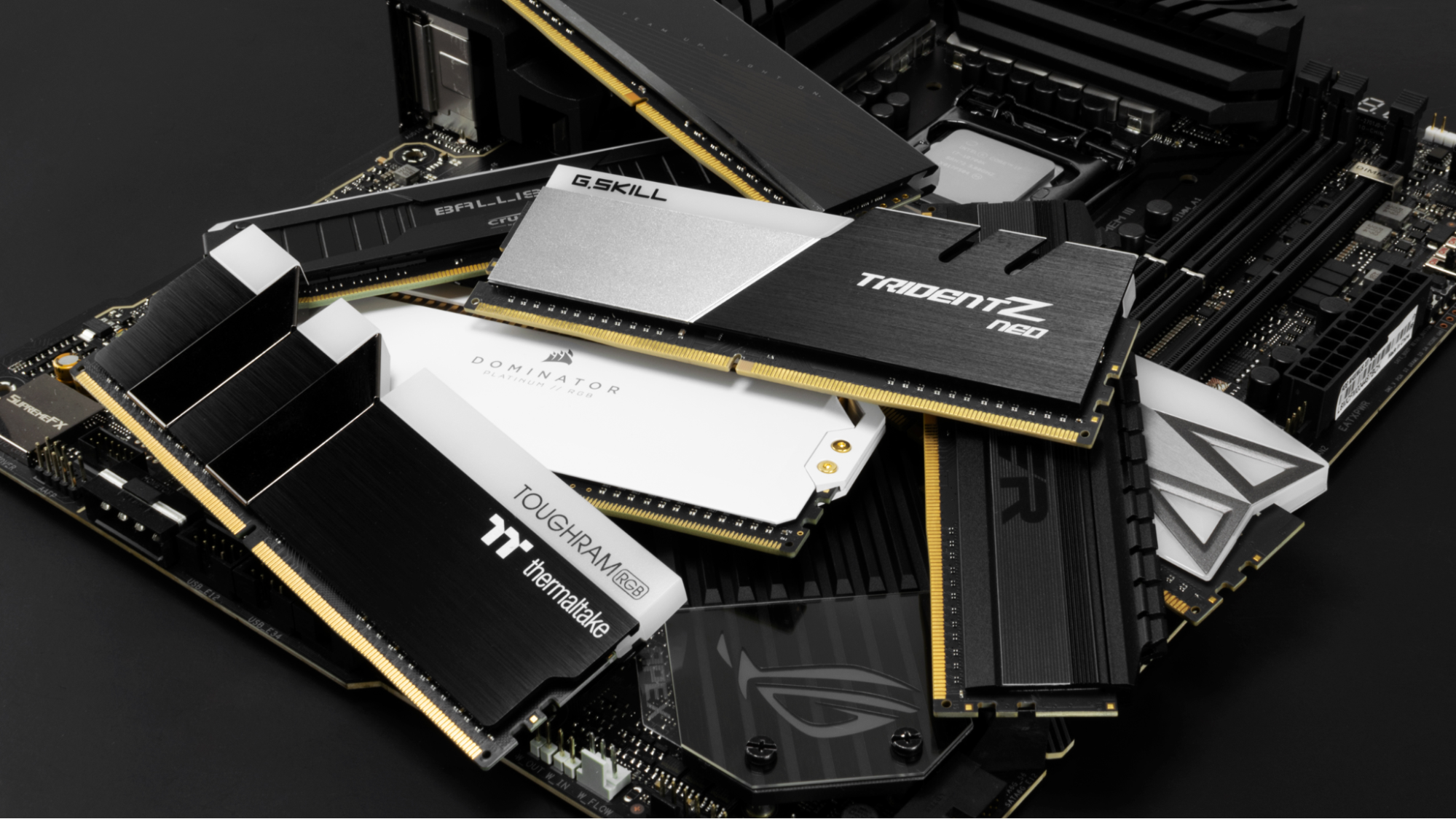
Another reason why RAM prices are increasing is the phase-out of DDR4 RAM. DDR4 RAM is the last generation of ram ranging from speeds from 2133 MT/s to 3200MT/s compared to the current gen of DDR5 ranging from 4800 MT/s up to 8000+ MT/s. The supply is down in DDR4 ram, which makes it scarce, but instead of reducing the price of DDR4, the prices are rising sharply. PC and server companies still rely on DDR4 and are rushing to buy off the remaining stock, increasing the prices of DDR4 kits.
As a result of these price spikes, many PC builders and gamers are having to rethink their upgrade plans. Instead of immediately jumping to 32GB or 64GB of RAM, people are trying to stretch their existing systems for as long as possible by closing background apps, lowering game settings, or upgrading only the most essential parts, like the graphics card or SSD. Some users are also turning to the used market, buying secondhand RAM from older systems, which can sometimes offer better deals but also come with risks like no warranty or uncertain performance.
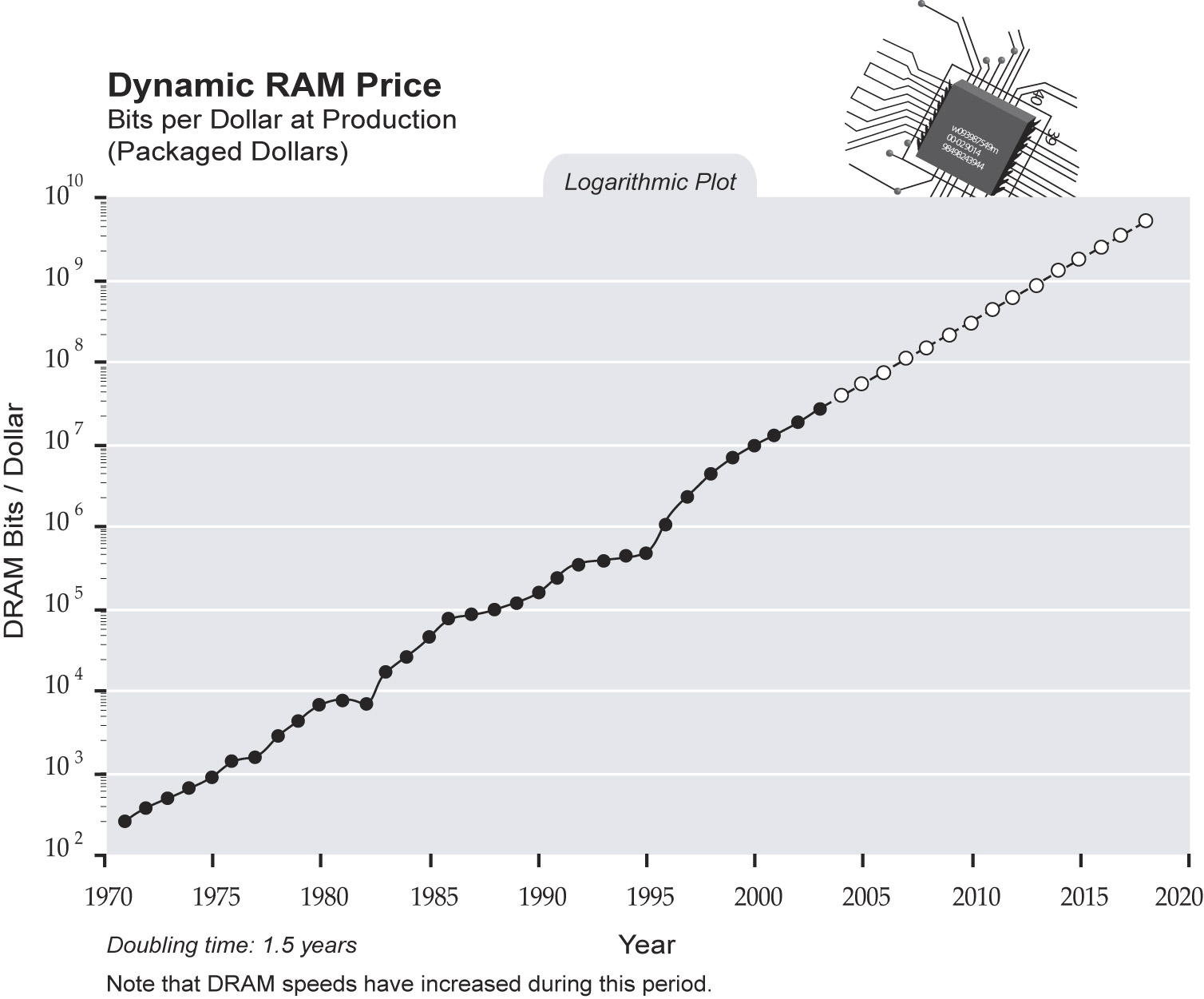
Looking ahead, RAM prices are likely to stay unstable for a while because they depend on many global factors, such as factory investments, chip shortages, and how fast AI technology will grow. If AI demand keeps rising and companies keep building new data centers, memory manufacturers may stay focused on high-end server chips instead of cheaper consumer RAM. However, if more factories come online and production catches up, we could see prices slowly come down again. Until then, anyone building or upgrading a PC needs to be patient, watch prices closely, and plan their purchases carefully.
For students and everyday users, the best strategy right now is to be smart and intentional about upgrades. Instead of chasing the latest specs just because they are new, people should first figure out what they actually need their computer to do like gaming, school projects, or light video editing and then choose the amount of RAM that comfortably covers those tasks. Watching most trends, waiting for sales, and comparing different brands can also help avoid overpaying during peak price periods. By planning ahead and making informed choices, consumers can still build capable, fast PCs without getting completely crushed by the current spike in RAM prices.
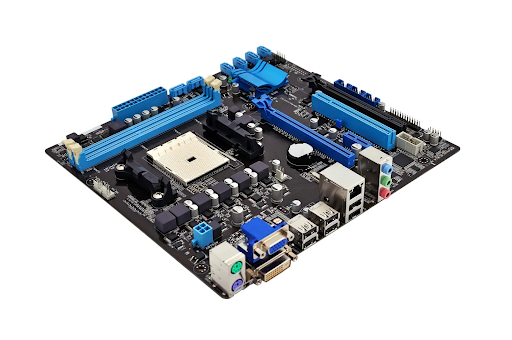
So in conclusion RAM prices are going up because of AI data centers and the change from DDR4 to DDR5. Manufacturers are giving more to AI data centers and leaving less for the public. The change from DDR4 to DDR5 increased the prices of DDR4 because PC and server companies still rely on DDR4 and created a shortage increasing the prices for the public. In the future if AI demand keeps rising and companies build data centers, which means that manufacturers are going to be focused on the companies rather than the consumers. The best strategy right now is to be smart about upgrades instead of buying the latest specs.
