
by Azfar Hasin
Over the course of the past decade, a wave of revolutions have hit the global south. Generation Z, the latest age cohort to reach adulthood, have lined the streets of many large cities with years of bottled-up resentment and hopelessness stemming from mass youth unemployment and economic crises. These protesters have often been subjected to fierce crackdowns by governments that are supposed to represent them, which only fuels even more unrest. Various governments across the world have collapsed as a result of these waves of protests, with some even falling into open civil war. This article will focus on the transformational changes and unrest that has occurred in Myanmar, Sri Lanka, Bangladesh, Nepal and, mostly recently, in Madagascar.
Myanmar
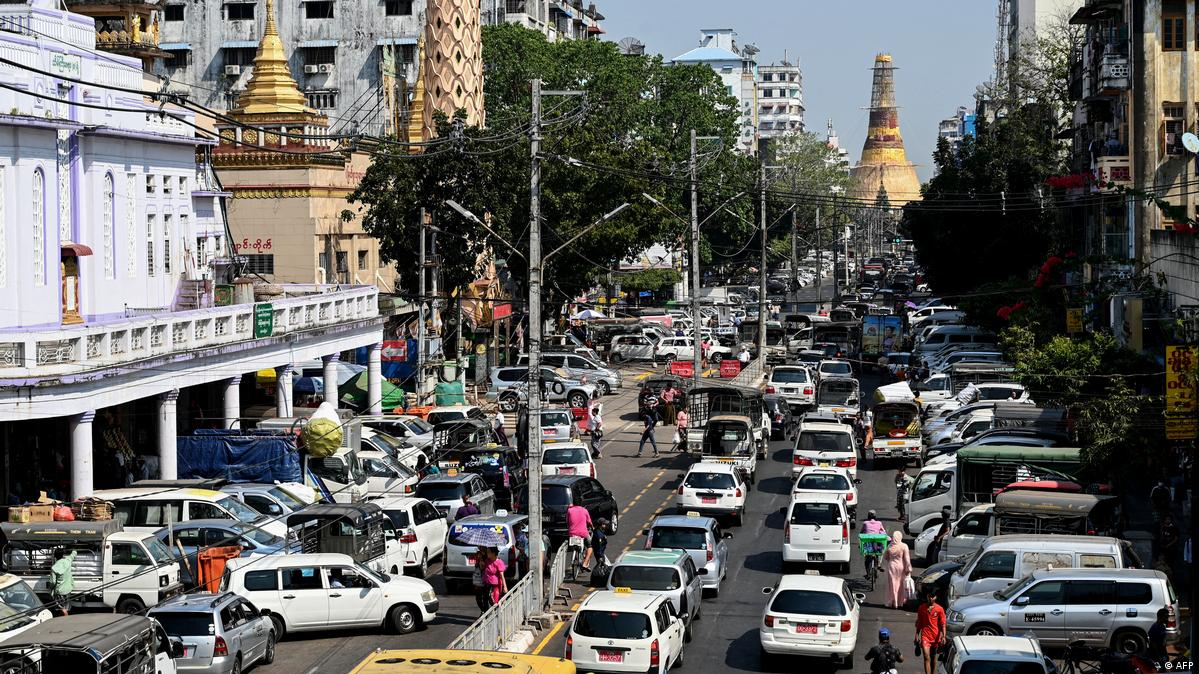
Myanmar, a highly ethnically diverse country in southeast Asia bordering India to the west, with China and Thailand to the east, has had a long and troubled history with its military, commonly known as the Tatmadaw. Throughout its history, Myanmar has often flipped between military and civilian governments. When a pro-democracy candidate won a landslide victory in the 2020 general elections, the Tatmadaw violently took control of the country in a military coup. Once in power, they launched a major crackdown on the surge of youth protesters, killing over 1,500 and arresting nearly 12,000 in one year, according to the opposition-aligned Assistance Association for Political Prisoners (AAPP). In response, the opposition announced the creation of a rival government, as well as a pro-democracy paramilitary group known as the People’s Defense Force, which is often called a “Gen-Z army.” Across the nation, the various ceasefires between the government and the ethnic militias eventually collapsed, plunging the country into an open civil war.
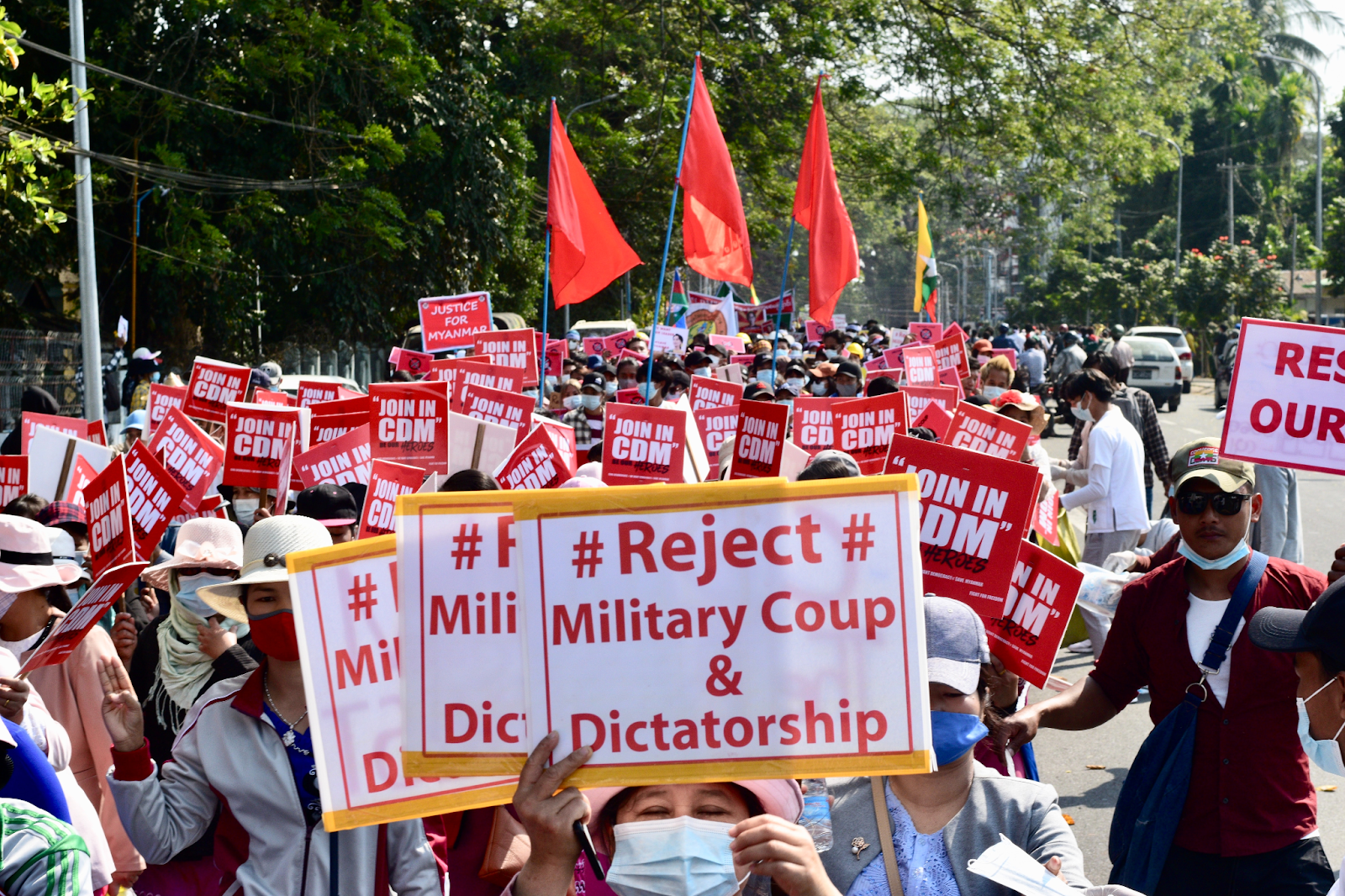
As of today, four years later, the opposition and allied ethnic militias control large swathes of territory, but have so far failed to make large breakthroughs into the country’s heartland. According to the United Nations, over 75,000 people have died, while over three million have been internally displaced. Many atrocities and massacres have been committed in the name of regime survival. The prospects for peace are currently slim, despite occasional ceasefires with regional ethnic militias. In fact, in the run-up to elections that are widely regarded as being a sham, the Junta escalated a ground and air offensive in a crucial state, retaking some towns captured by the opposition last year. There is little light at the end of the tunnel, as both sides are heavily dug in.
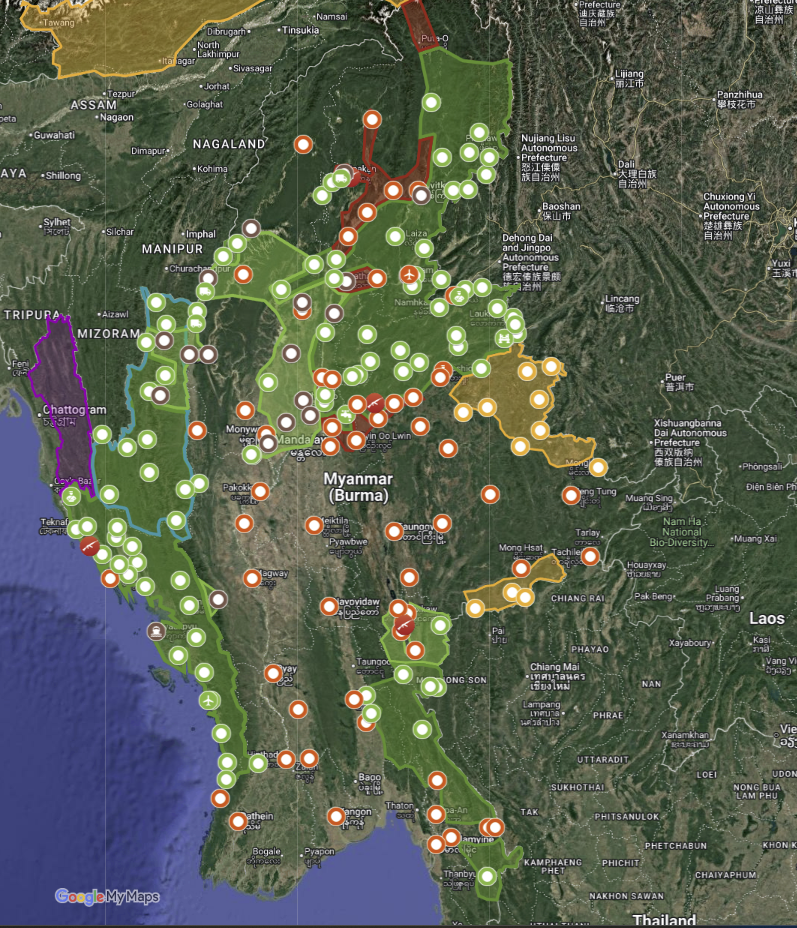
Green - Opposition and Allied Ethnic Armed Organizations
Brown - Contested
Red - Tatmadaw Military Junta
Yellow - Neutral Ethnic Armed Organizations
Sri Lanka
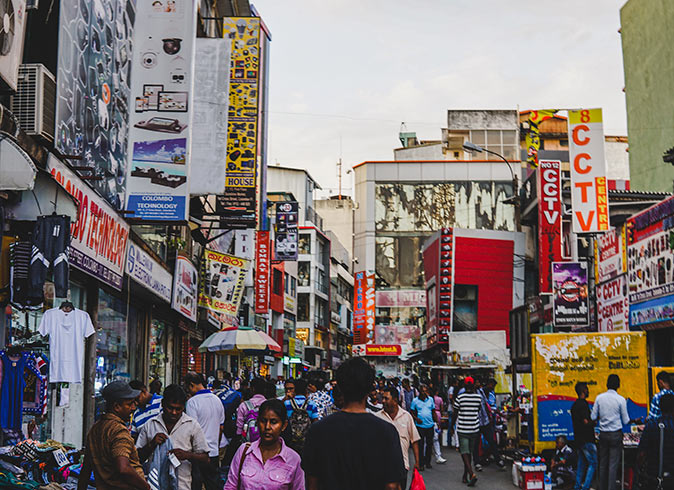
Sri Lanka is an island nation located to the east of the southern tip of India. For much of its history, it was ruled by the highly influential Rajapaksa political dynasty. Through the 2010s and into the early 2020s, Sri Lanka was devastated by a suffocating economic crisis, caused primarily by hyperinflation, government mismanagement of agriculture via an abrupt adoption of organic farming, and a ballooning debt. The administration was the subject of blame for their incompetence, with some saying that Sri Lanka was turning into a kleptocracy, which literally means “rule by thieves” and is a term for a government ruled by corrupt officials who embezzle public funds for their own purposes. Protests started in the spring of 2022, demanding the resignation of the current administration for their failures in tackling the crisis. Protesters had to deal with a violent state response, as well as government supporters who attacked protesters and were often accused of thuggery.
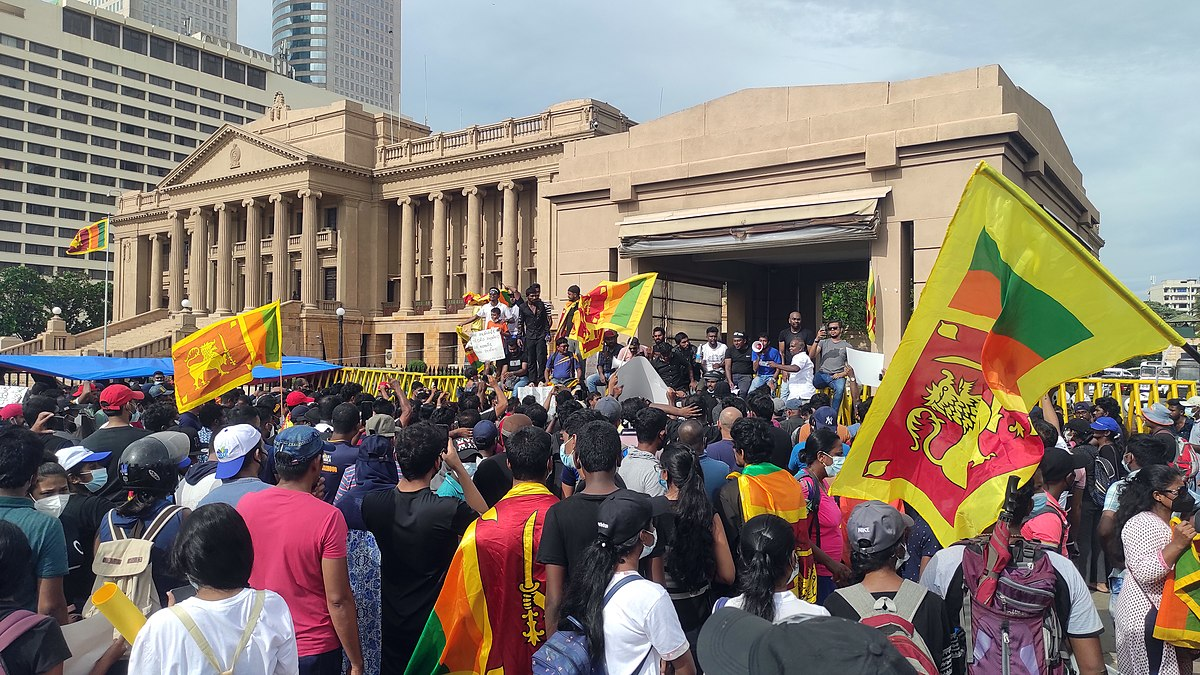
After a declaration of a highly unpopular curfew in an attempt to quell unrest, protesters stormed the presidential palace, forcing the resignation of the president and the prime minister, both Rajapaksas. A new government was instated in its place, later replaced by Marxist-Leninist Communists in an election in 2024. Since the uprising, often called the Aragalaya (meaning “the struggle”), Sri Lanka has made significant progress in fixing its economic problems by cutting inflation and increasing GDP growth.
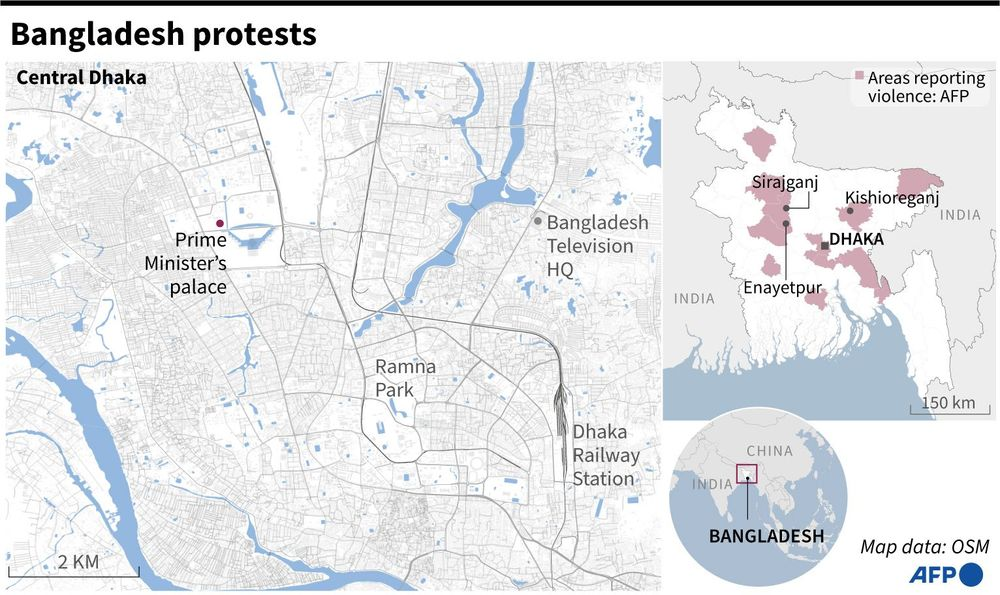
Bangladesh is a Muslim-majority nation nearly entirely surrounded by the eastern half of India. Since its independence in a short but extremely brutal war in 1971, two major political parties have wrestled for control of Bangladesh: the BNP and the Awami League. The Awami League, then led by Sheikh Hasina, the daughter of the first president of the country, scored a general election victory in 2008 after a political crisis raged during the previous BNP premiership. Over the years, Sheikh Hasina became increasingly authoritarian and corrupt, with many in the outside world calling Bangladesh’s elections fraudulent, being “neither free nor fair” according to the U.S. Department of State.
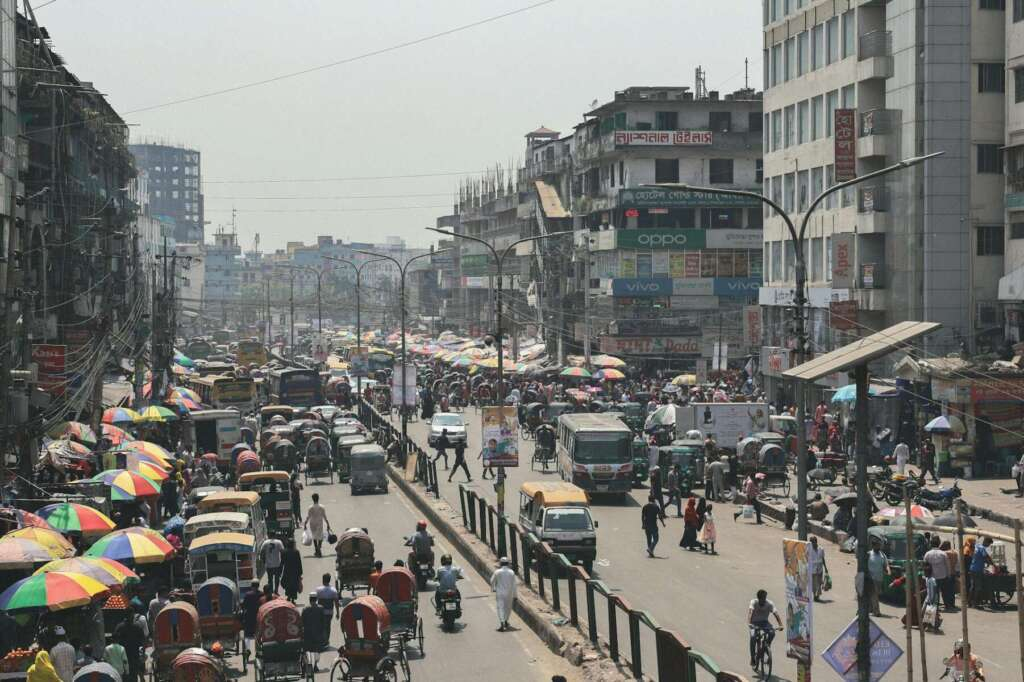
When their Supreme Court instated a 30% quota for descendents of the war of independence in a case in June 2024, Gen-Z university students, many wanting government jobs, were incensed, saying that the quota benefited allies of the ruling Awami League. They took to the streets, where they were met by the Bangladeshi police and an increasingly violent student wing of the Awami League. Violence and anger continued to simmer, with every murdered student becoming a martyr, every attempted blackout by the government and every dismissive comment by Hasina angering more otherwise uninvolved Bangladeshis. After a month of protests, on August 4, 2024, the students, joined by thousands of other Bangladeshis, including Islamists, liberals, and leftists, marched on the capital city of Dhaka, demanding the resignation of Hasina. With the military no longer cooperating with the government, Hasina resigned and fled Dhaka to India.
Since that point, the military has stepped down, handing over the reins of government to Muhammad Yunus, a widely respected and apolitical Bangladeshi economist, until the next election. For its crimes during the July Revolution, both the Awami League and its student wing were banned, while the Islamist party Jamaat-ul-Islam was unbanned and invited to political discussions. According to the Office of the United Nations High Commissioner for Human Rights (OHCHR), over 1,400 people were killed during the month of revolution, with over 20,000 injured. The current Yunus government has demanded India return Hasina, who has now been sentenced to death in absentia, but have so far been unsuccessful. Sectarian attacks against the Hindu communities of Bangladesh have increased, unfortunately.
Nepal
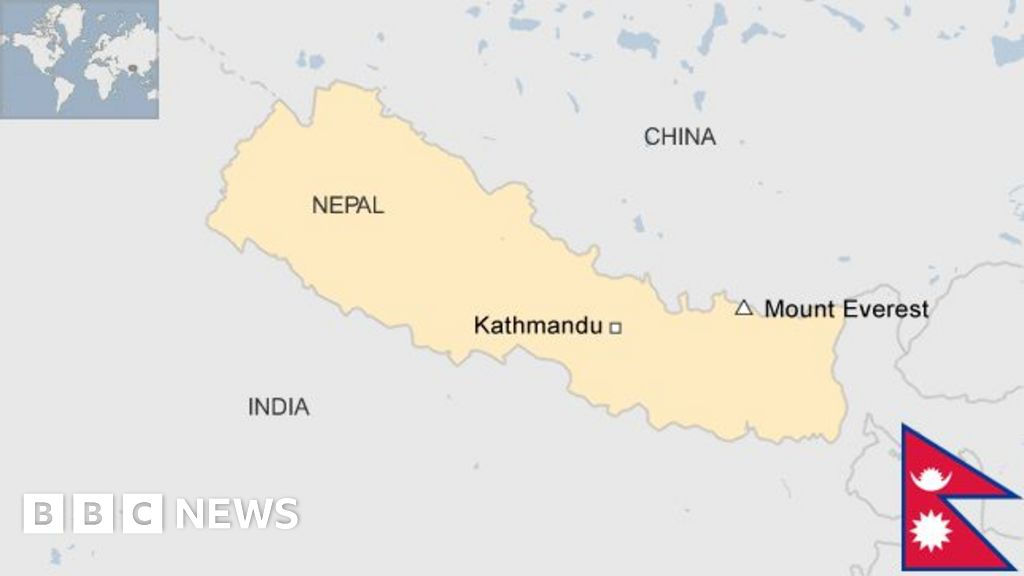
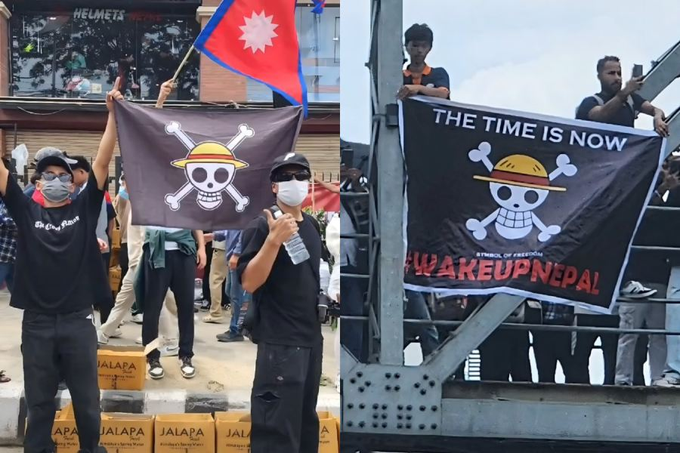
Nepal is a republic located below the Himalayan mountains, lying north of India. Like the others, the Nepalese economy had long suffered stagnation, caused by hyperinflation; a decrease in foreign remittances, which is money sent home from those in other countries; and high youth employment. As in Sri Lanka, the wealthy political elite and their children have entrenched themselves, becoming increasingly corrupt. The spark was the Prime Minister K.P. Oli’s order to ban dozens of internet platforms, most likely caused by the popularization of a TikTok trend calling out the nepotism of the children of the elite. Youth protesters lined strategic points in the capital of Kathmandu, where they were fired upon by government forces using live ammunition rounds. Many organized on the Discord server “Youth Against Corruption”, sharing protest tactics, and even voting for the next interim president of Nepal. Some protesters flew a Jolly Roger-esque flag from the anime show One Piece, a flag that would become the symbol of the Gen-Z unrest worldwide.
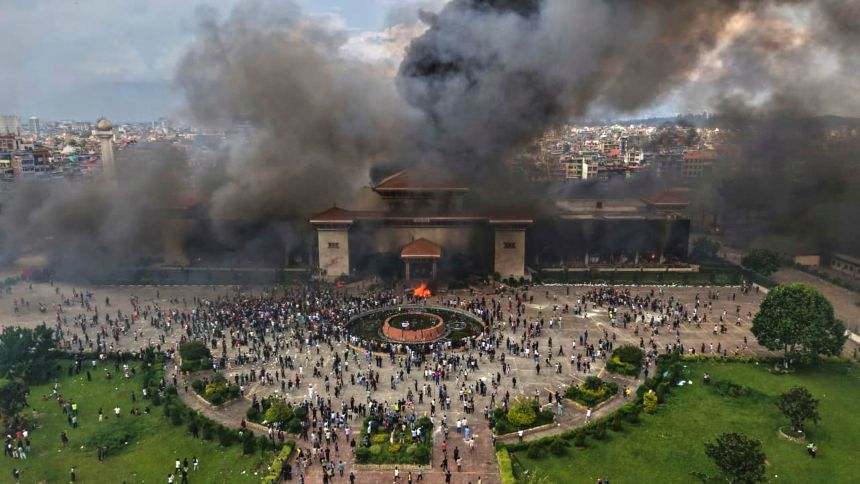
On September 9, 2025, Nepali youths stormed and ransacked the parliament building, forcing the resignation of Prime Minister K.P. Oli, who would be replaced by a Supreme Court jurist advocated for by the aforementioned Discord server. Amidst the chaos, looting and arson of the ruling party’s offices and palaces became increasingly common, forcing the deployment of the military to regain control. In the five days of unrest, 75 protesters were killed and over 2,000 injured. Two months later, the interim prime minister has been attempting to rule with a conciliatory tone, focusing on government transparency and corruption. She has been hosting talks with the major political parties in the run-up to a snap election next March. The uprising also opened venues for new voices. With contempt for the other parties, many in Gen Z plan to create their own party and vie for power in the nation’s next election. Similarly, monarchism, an ideology that has long been considered fringe and outdated in Nepal since the overthrow of the king in 2008, has been growing in some circles, including those in talks with the interim government.
Madagascar
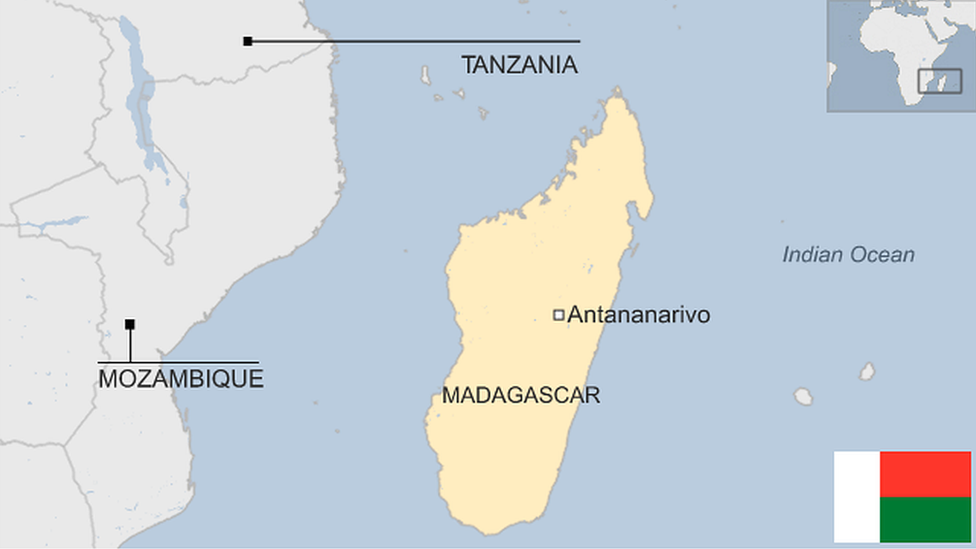
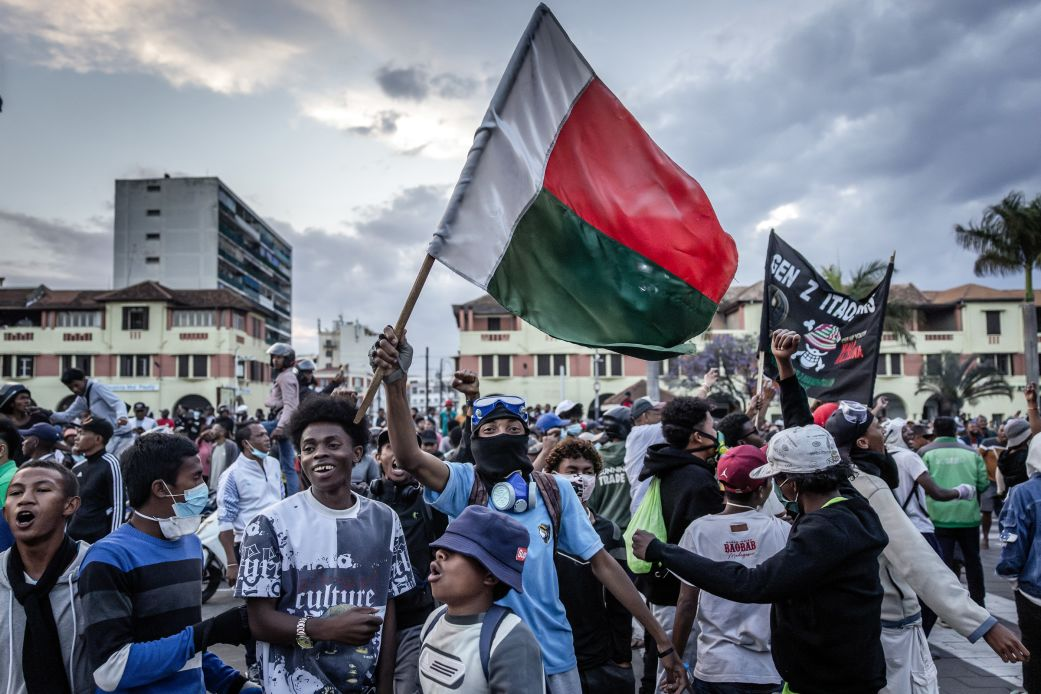
Madagascar is an island nation home to nearly 32 million people located to the east of the mainland of the African continent. Long considered to be one of the poorest countries of the continent, Madagascar had been ruled by Andry Rajoelina since 2009, who has often been criticized for corruption and nepotism. Protests broke out after the capital was wracked by numerous long-lasting electrical blackouts and water cuts. Protests grew with newly-activist youth, who rallied through Facebook groups emblazoned with the Jolly Roger-esque flag from One Piece. Rioting became widespread, with many homes of the corrupt politicians getting firebombed. Factions of the military, siding with the protesters, staged a military coup and exiled Rajoleina, who continued to issue executive orders from his plane while flying away from Madagascar. The head of the military has formally assumed the presidency, unlike in Bangladesh or other states. He has selected an economist and businessman to rule with him as the prime minister, which has perhaps signaled an intent at transitioning towards a democracy.
These are only a few examples of the widespread political and societal unrest occurring across the world. Many movements, like the ones to oust the autocrats and strongmen of Cameroon and Tanzania in Africa, or the ones to repeal laws and demand accountability from the increasingly authoritarian governments of Georgia and Serbia in Europe, have been boosted and fueled by the increasing hopelessness youth feel in some regions due to a wide variety of factors, including political corruption, mass youth unemployment, and inflation. These problems lead to poverty among youth, dissatisfaction about their status in society, and bottled-up anger and resentment. The democratization of knowledge through the internet also bleeds out into investigations and exposés of rampant cronyism, nepotism, and corruption. This anger often boils over and erupts when the national government enacts highly unpopular policies and severely cracks down on subsequent protests without any attempts at dialogue. For a resolution of these and other revolutions, the international community needs to promote and even mediate talks between rival blocs in order to help establish safe and stable transitions of power. In addition, free and fair elections must occur after such unrest in order to hear the voice of the people. These uprisings are our generation’s Arab Spring or Occupy Movement.
Sources:
https://coup.aappb.org/data-dashboard
https://www.cfr.org/global-conflict-tracker/conflict/rohingya-crisis-myanmar
https://carnegieendowment.org/research/2025/09/nepal-gen-z-topple-government?lang=en
https://amp.dw.com/en/nepals-gen-z-protesters-look-to-the-future/a-74134471