
by Kate Garlick
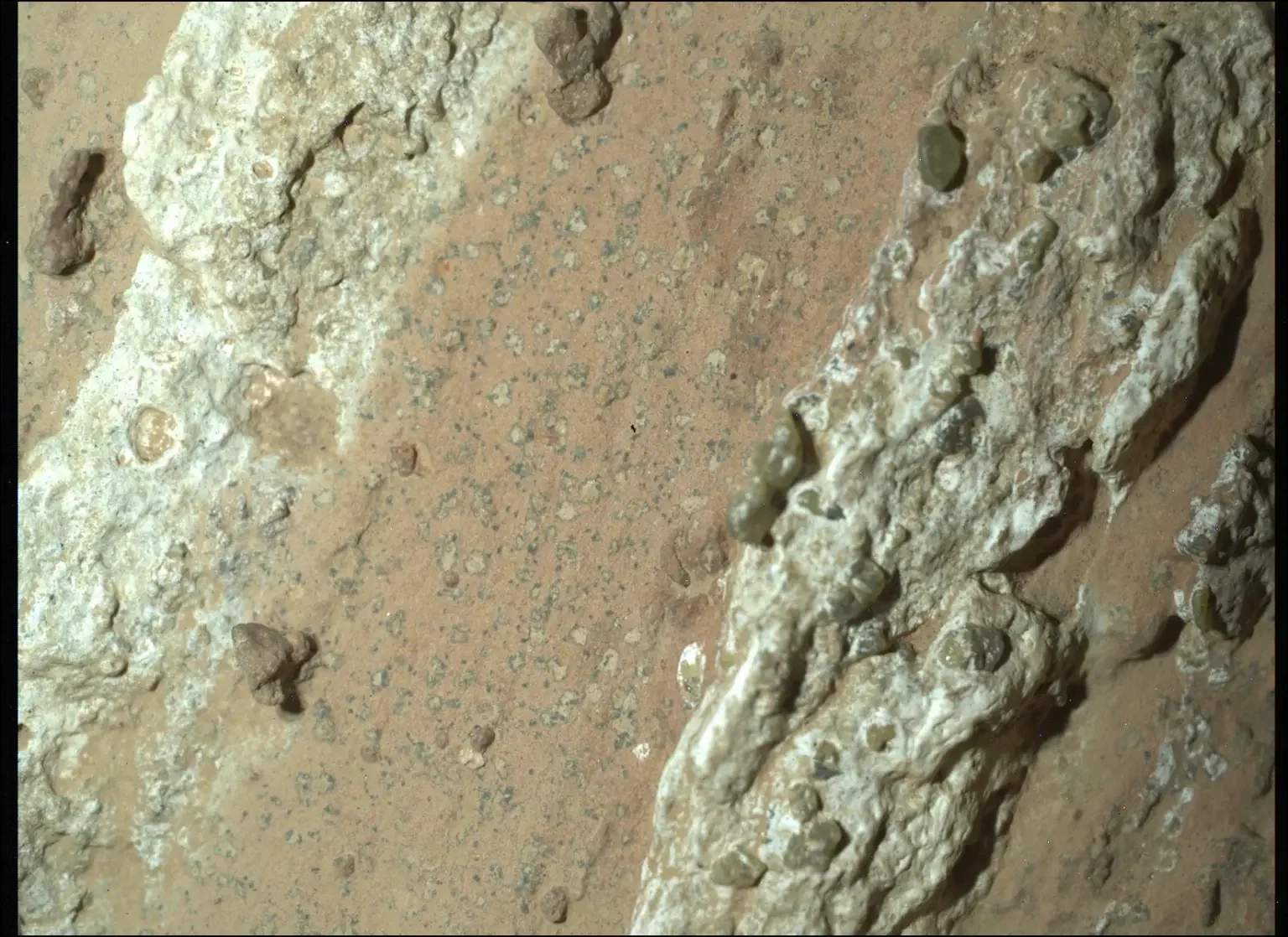
“This . . . is the closest we have ever come to discovering life on Mars,” the acting NASA Administrator Sean Duffy recently declared. What he was referring to is a rock sample, collected by the Perseverance Rover, which was found to contain potential traces of microscopic life on it, which includes chemical compounds that were most likely produced by living microbes.
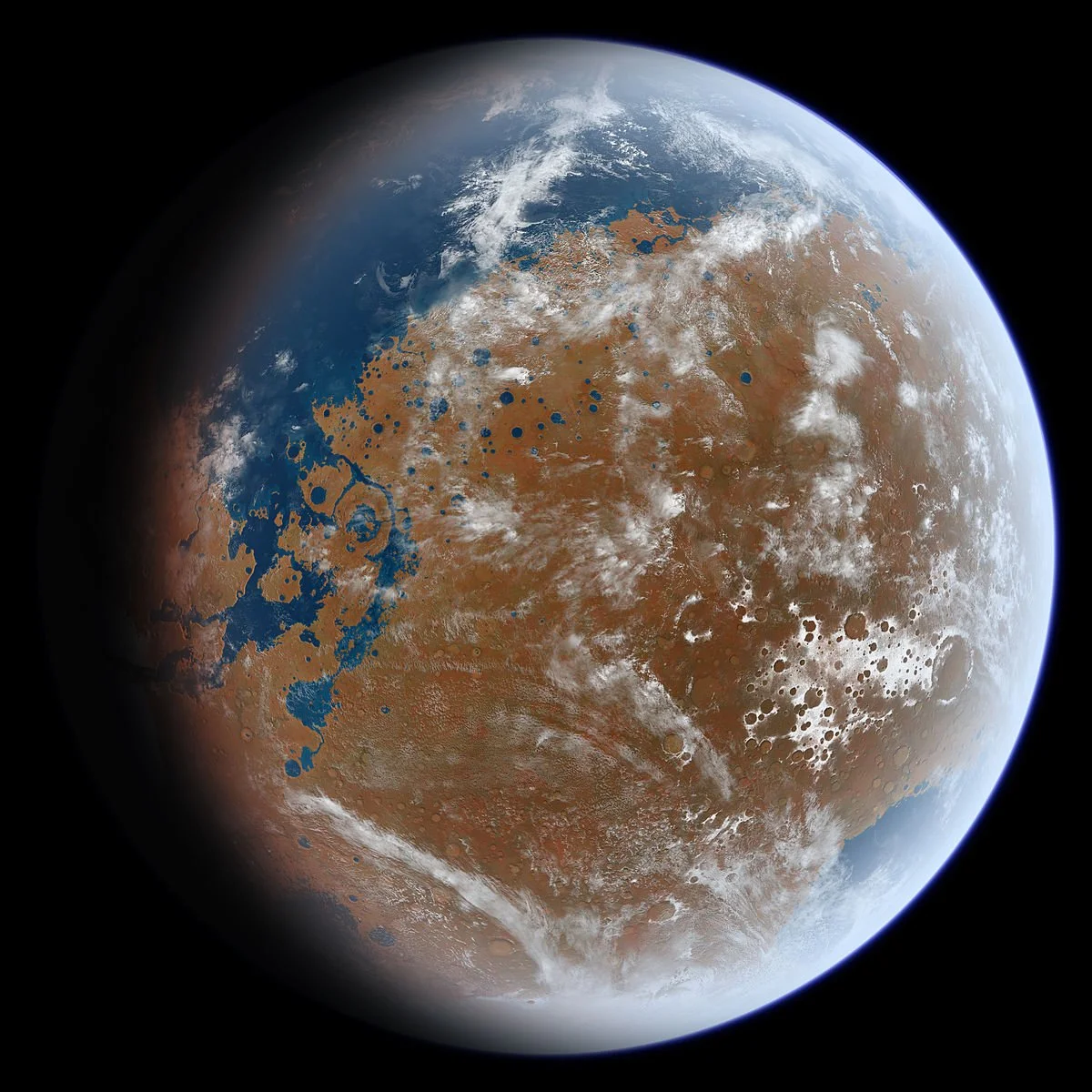
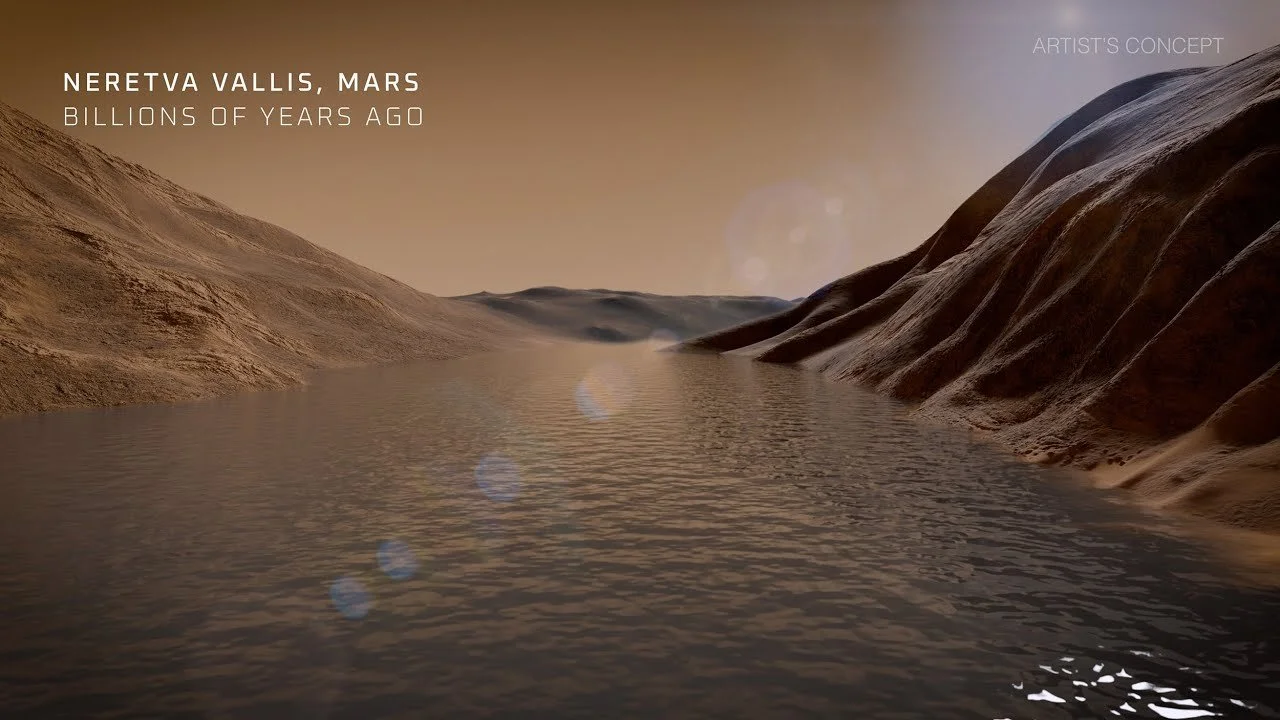
Scientists have actually long theorized that the cold, red desert planet known as Mars harbored life. But not in the present: in the distant past. Billions of years ago, Mars was a warm, oceanic planet with over ⅓ of its surface covered by water, the most important substance for all life on Earth and which NASA believes is also a requirement for extraterrestrial life. However, as Mars’s atmosphere slowly thinned over millions of years and the planet cooled, the water either froze and covered by dust, or it gained enough energy to escape into space and leave the planet entirely. Neretva Vallis, which is where the sample was collected, was an ancient river valley that was believed to have the possibility of supporting and preserving ancient organisms, which is one of the main reasons why the Perseverance Rover landed there in the first place.
Now what exactly points to life having existed on this specific rock? Firstly, the sample is rich in many elements that could have been used to fuel the microbes’ metabolisms, including carbon, sulfur, phosphorus, and iron, and the rock itself is composed of clay and silt, which are excellent preservers of organisms on Earth. This means that it was possible for microbes to live on the sample, which means life is a possibility for what caused the unusual phenomena of colorful “spots” that were found on the rock’s surface. These spots contained vivianite and greigite, two iron compounds that are usually found as byproducts of microbial life here on Earth. Rarely, they can be produced abiotically, or without life, but only at high temperatures or in acidic conditions, but there are no signs of those extreme conditions affecting the sample or the rocks surrounding it. This leaves the metabolisms of microbes on Mars as the most likely possibility as to what produced these iron compounds.


Even though the evidence seems convincing, this is only a potential sign of life, and a lot of questions still remain. Scientists were surprised that this specific sample was the one to contain potential signs of life, as it is one of the youngest samples collected by the Perseverance Rover, so Mars may have been habitable for longer than we thought. And even though the study on the potential life on this rock was peer-reviewed by other scientists for over a year before it was published, we can’t be sure if this is a sign of life or a lucky coincidence until it is analyzed in a lab here on Earth. Currently, NASA is trying to do exactly that with the Mars Sample Return program, although NASA is limited in terms of how quickly they can return the collected rocks. For now, and maybe for a long time, whether life existed on Mars will remain a mystery. But if it turns out to be true, it could prove that we aren’t alone in the universe, and life is much more common than we previously thought.
