
A History of North Hollywood
by Graham Tuckfield-Porro
Long before North Hollywood, also known as NoHo, became known for its towering apartments and arts district, it was nothing more than a big field of wheat that stretched across the majority of the San Fernando Valley. Over the past centuries, the area has reinvented itself many times, going from indigenous land to ranches and wheat fields, then to orange groves, and finally into an ever-expanding Los Angeles suburb. In the present, as new developments rapidly change the area, North Hollywood faces a question of if these new changes will cause the area to lose its identity. To answer this question, we need to go back a couple hundred years.
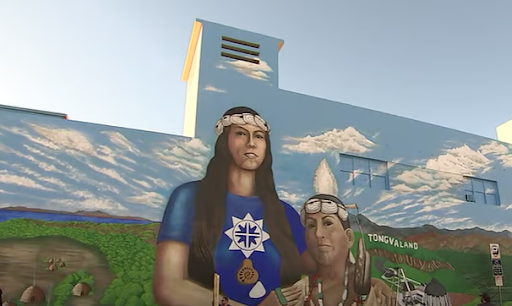
Tongva People Mural at fire station near school
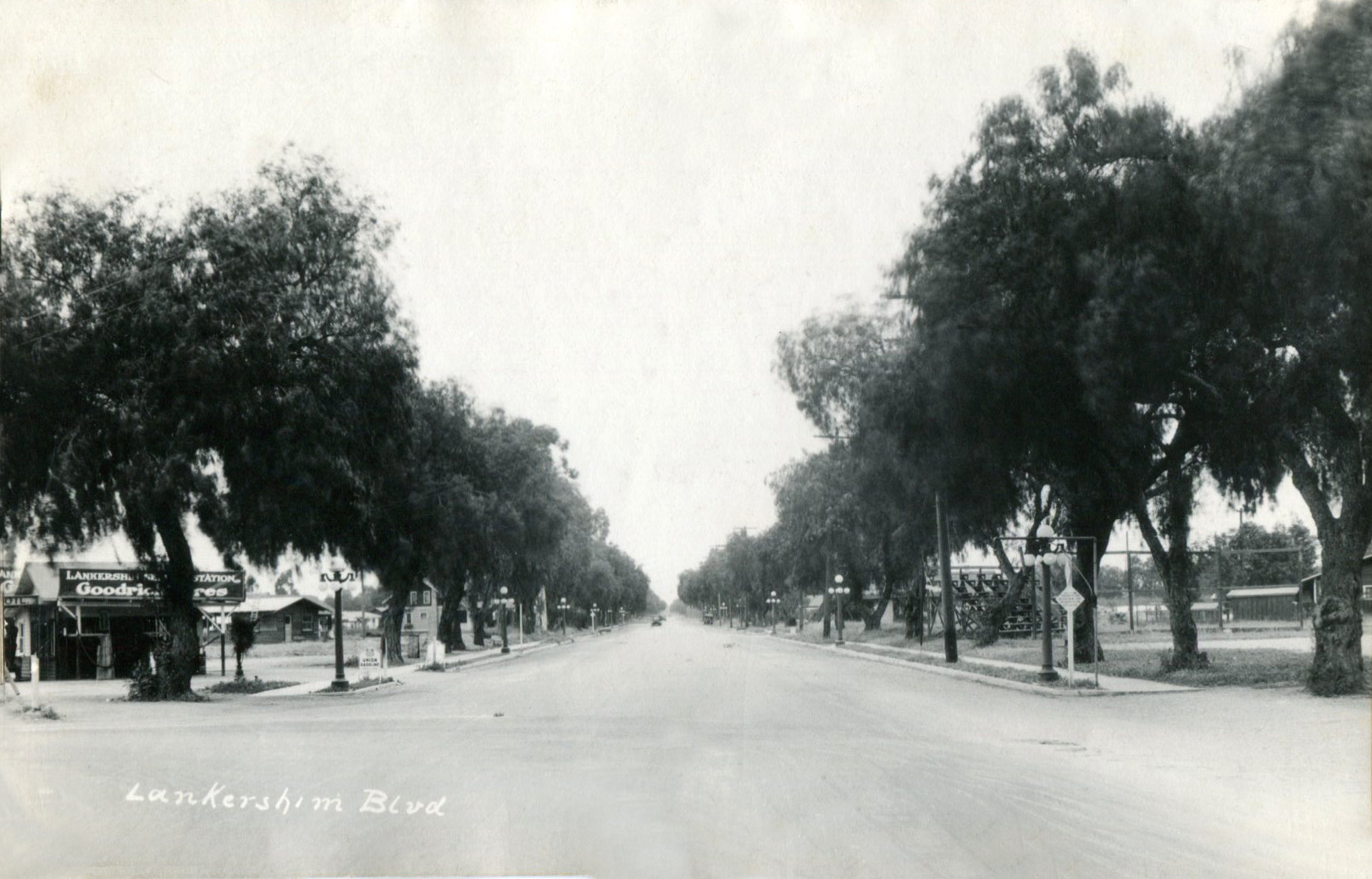
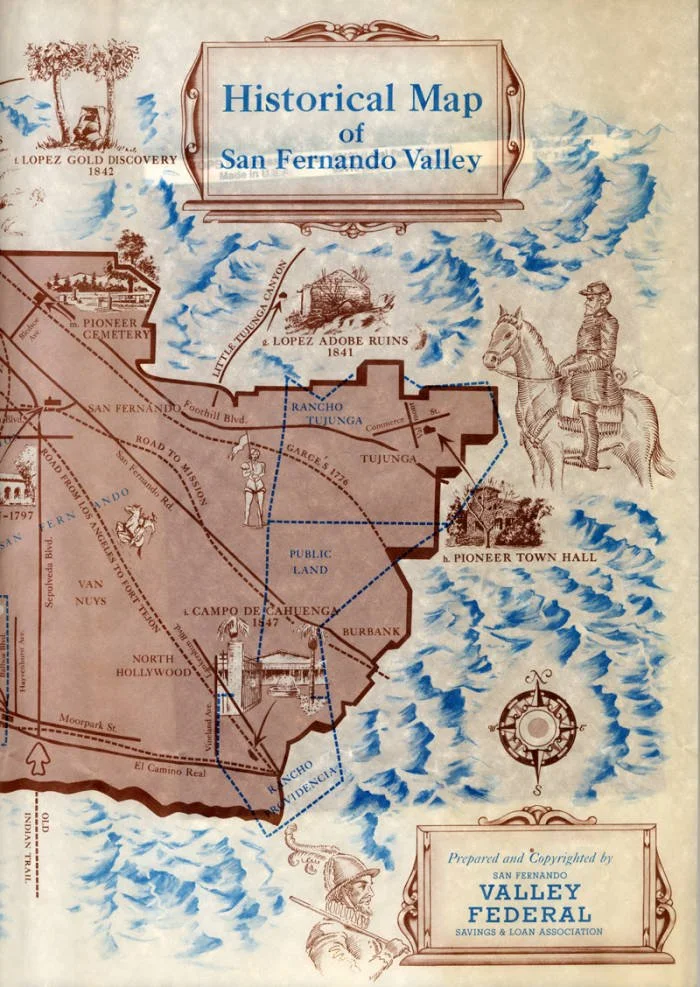
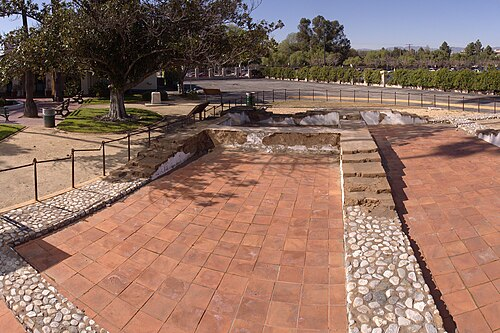
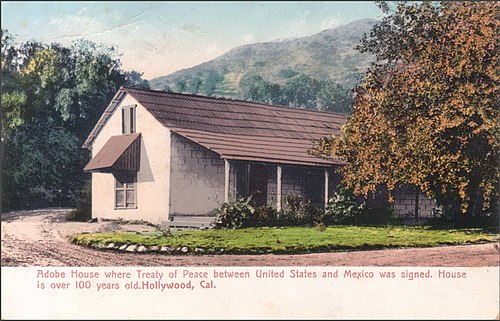
It’s the late 1600s, and the San Fernando Valley is inhabited by indigenous tribes, more specifically the Tongva people. They are believed to have moved into the area approximately 3,500 years ago and continued to live semi-nomadically until around the late 1700s, when Spanish explorers arrived in the region, with the addition of Mission San Fernando. After Mexico's independence from Spain in 1821, the land became a part of Alta California. By this point, large areas of land had already been transformed into ranches and wheat fields, as this crop was well suited for the dry climate. In 1847, the San Fernando Valley became a site of a very important event, the signing of Camp Cahuenga agreement, at Campo de Cahuenga, which marked a cease fire to the Mexican-American war. Afterword, in 1848, the United States acquired California from Mexico in the treaty of Guadalupe Hidalgo and officially ended the war. During this period, the California Gold Rush brought many people west, which fueled the rapid population growth in the region that would lead to California becoming the 31st state. There wasn’t any gold to be found in what is now modern-day North Hollywood, but the population still saw a major growth, as many who came out west stayed there. As the 19th century was beginning to reach its end, the North Hollywood area was now mainly populated by ranches and farms, centered around a town called Toluca. This town would later be renamed in 1887 to Lankershim, after a German businessman and realtor who immigrated to the area in 1873. Throughout the course of the 19th century, the NoHo area oversaw a change from indigenous land to large areas of farm land. If you’re interested in learning more about the Valley’s rancho past, the San Fernando Valley Historical Society is hosting Adobe Days on June 13th at the Andres Pico Adobe in Mission Hills. Click here for more info
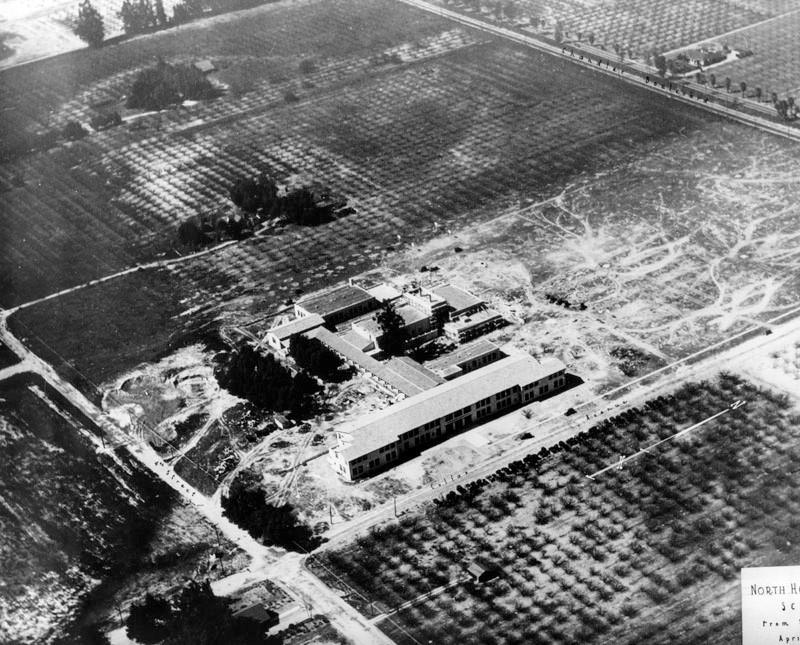
Then in the early 1900s, a landmark event forever changed the North Hollywood area. To give some background, the NoHo area was largely dependent on rainfall for water, which worked with the wheat fields and smaller population, but if it ever wanted to grow, Lankershim would need to find some better sources for water. Enter the Los Angeles Aqueduct in 1913, which brought water from the Owens River, located in the eastern Sierra Nevada region of California. Now the city of Los Angeles had a water monopoly in the desert. Lankershim wanted the water so it could grow, but the city of Los Angeles didn’t want to just share its new water supply without some kind of benefit. So, the town and the city arranged a trade: Lankershim would join Los Angeles, and then they could share the L.A. Aqueduct water. Lankershim accepted the deal, officially becoming a part of Los Angeles and gaining access to a stable water supply. With this influx of ample water, the area rapidly began to grow. A huge suburban boom was happening, with farmland quickly being developed into housing. In addition, the water brought in new opportunities for agriculture, specifically oranges. This new crop gave the valley its iconic tie to oranges and a boost in its economy. To capitalize on Hollywood’s growing popularity at the time, Lankershim officially became North Hollywood, in the hopes that people would move there as Hollywood films became popular. After World War II, the area oversaw growing film and aerospace industries, in addition to more and more new residents. Towards the end of the 20th century, the area also saw a large demographic shift, as migration and immigration added new members to the community. Overall, the 1900s marked another major change for North Hollywood, as it became a bustling L.A. suburb.
.jpg)
The turn of the 21st century marked another new era for North Hollywood, with the addition of the Metro Red Line station and an arts district. This began the area’s rebirth into a major arts district with a growing amount of theaters, galleries, and creative spaces. Older industrial buildings were renovated into new mixed-used projects. In addition to this, many new apartments began to rise above the streets of NoHo. Old buildings were converted into luxury apartments, raising the cost of living and causing a shift from a suburb to a more urban environment along the major corridors of Lankershim, Laurel Canyon, Magnolia, and Victory boulevards. This all brings us back to the question at the beginning.
So is NoHo beginning to lose its art vibe and shift to being just another piece of overpriced gentrified L.A.? The area has had a rich history since the 1700s to today, and although it may seem like NoHo is changing too drastically, that is just what it has always done. Ever since the Spanish explorers in the 1800s, and then the suburban boom after its integration into the City of Los Angeles, NoHo has always evolved in some way, which is what it's doing now. The new question is not if it's losing itself, but how the new developments can balance the needs of residents, businesses, artists, and newcomers while preserving the culture that makes North Hollywood so unique.
