Winter Holidays
from the NewsFlash archives
HANUKKAH
by Ava-Ray Pributsky
This year, Hanukkah is from December 14th to 22nd. Hanukkah, meaning “dedication” in Hebrew, is also known as the Festival of Lights and the celebration of an important story from the Old Testament. From playing fun games to eating delicious food, here is all you need to know about Hanukkah.
The Story of Hanukkah
The story of Hanukkah describes the rededication of the Second Temple in Jerusalem. The Seleucid ruler Antiochus IV outlawed Judaism and erected a statue of Zeus in the Temple. The Jewish people considered this an unholy defilement of their Temple, and In 164 BC, a band of Jewish fighters called the Maccabees, under the command of Judah, defeated the Seleucids. When Judah and his compatriots reclaimed the Holy Temple in Jerusalem and sought to re-light its menorah to cleanse the Temple of its desecration by the Greeks, they found only enough purified oil to keep the menorah lit for one day. However, the oil kept the menorah alight for 8 days, which is considered to be a miracle. This historical event is commemorated during the Festival of Lights.
Traditions during Hanukkah
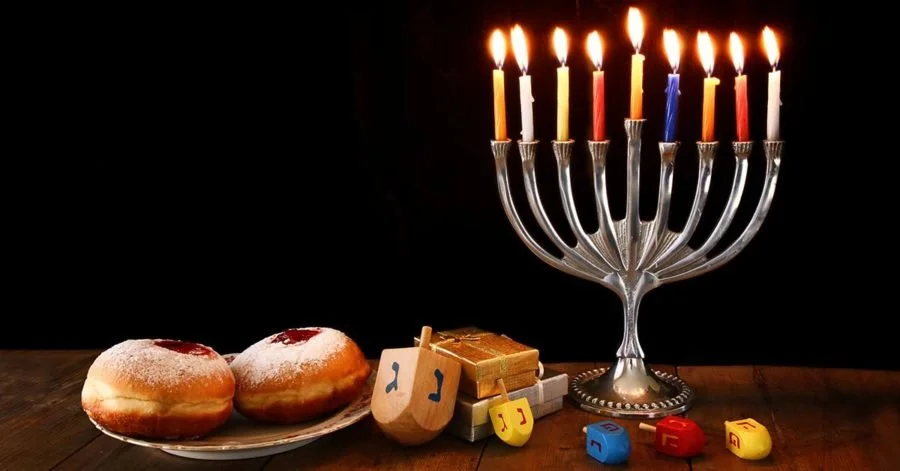
During Hanukkah, families light a menorah, a candelabrum with nine candles: one for each of the eight days of Hanukkah and a center candle used for lighting the others. Every night, you light the shamas, or the center candle, and use that to light candles representing the number of days of Hanukkah. For example, on the 3rd night of Hanukkah, you would have three lit candles as well as the shamas. While lighting the candles, you say the following blessings:
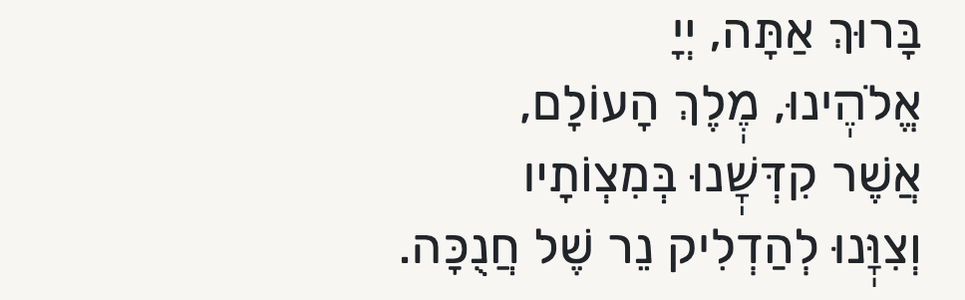
Baruch atah Adonai, Eloheinu, Melech haolam, asher kid’shanu b’mitzvotav v’tsivanu l’hadlik ner shel Hanukkah.
Blessed are You, Adonai our God, Sovereign of all, who hallows us with mitzvot [good deeds], commanding us to kindle the Hanukkah lights.
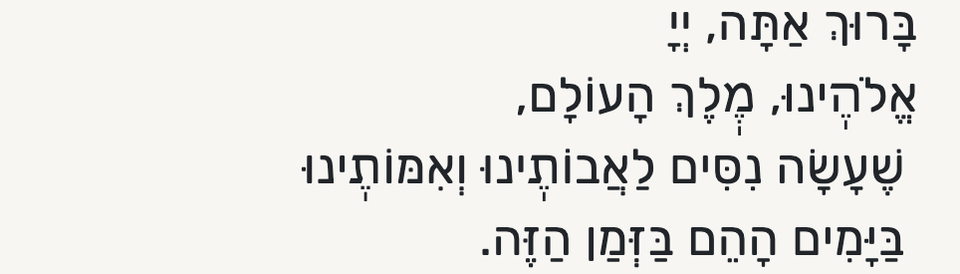
Baruch atah, Adonai Eloheinu, Melech haolam, she-asah nisim laavoteinu bayamim hahaeim baz’man hazeh.
Blessed are You, Adonai our God, Sovereign of all, who performed wondrous deeds for our ancestors in days of old at this season.
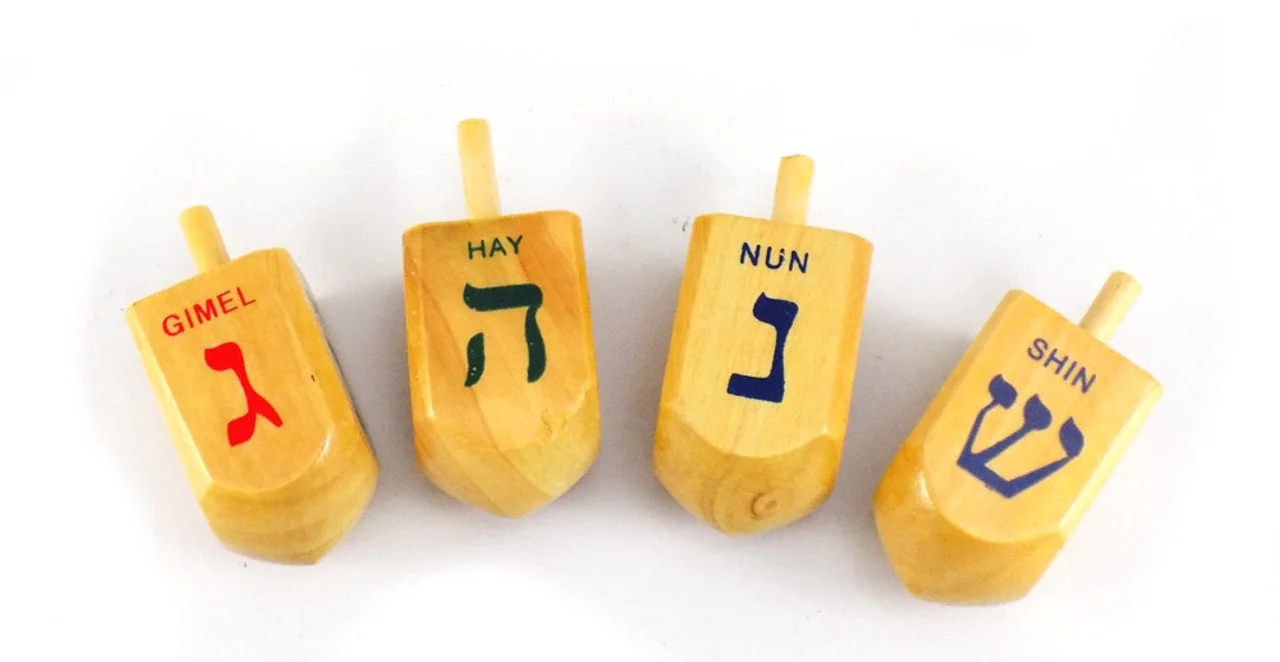
After lighting the menorah, families exchange gifts and play games such as dreidel, a traditional game played with a spinning top with four sides. Each side of the dreidel has a Hebrew letter written on it and each player must perform the following actions with their pieces of gelt, which are chocolate coins:
🔹 Shin: Put one piece of your gelt into the pot.
🔹 Nun: Receive nothing
🔹 Hey: Receive half the pot of gelt
🔹 Gimel: Receive the entire pot of gelt
Traditional Foods during Hanukkah
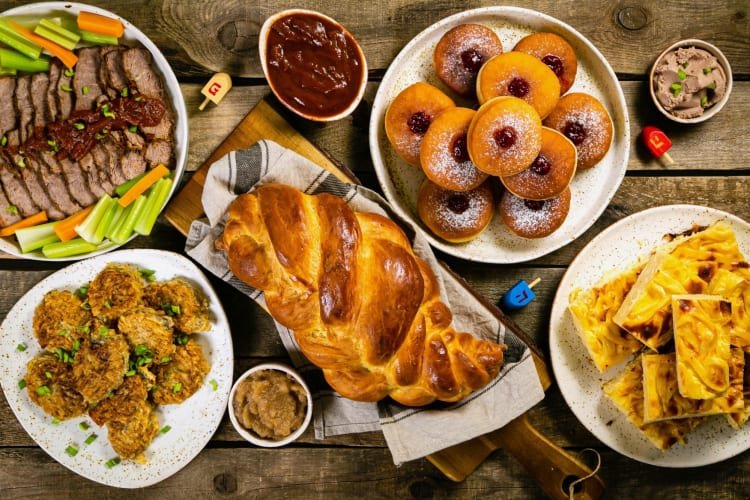
After exchanging gifts, playing games, and reciting blessings, Jewish families have a big feast. During Hanukkah, you traditionally eat foods fried in oil to represent the lamp oil that lasted eight days. Here are some of the most common items found at the dinner table during Hanukah:
Latkes, or potato pancakes, are thin pancakes made with potatoes, eggs, and flour, which are then fried in oil. They are traditionally served with applesauce, sour cream, or vanilla yogurt.
Sufganiyot or “spongy cake” are deep-fried jelly-filled doughnuts.
Kugel is a type of sweet noodle dish that can include eggs, raisins, cottage cheese, sugar, cinnamon and other spices, made with egg or potato noodles and baked.
Christmas
by Jordin Lim
History of Christmas
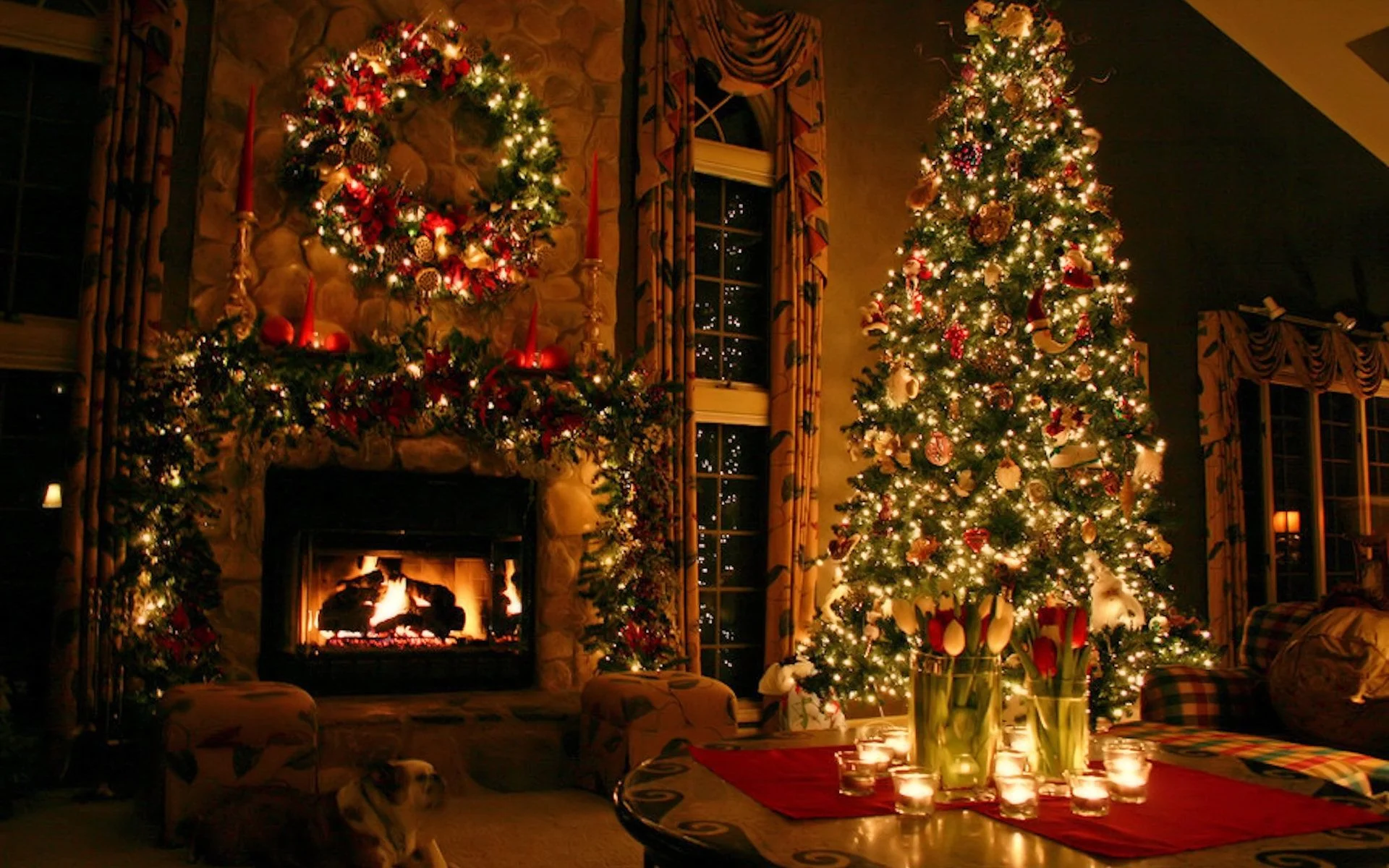
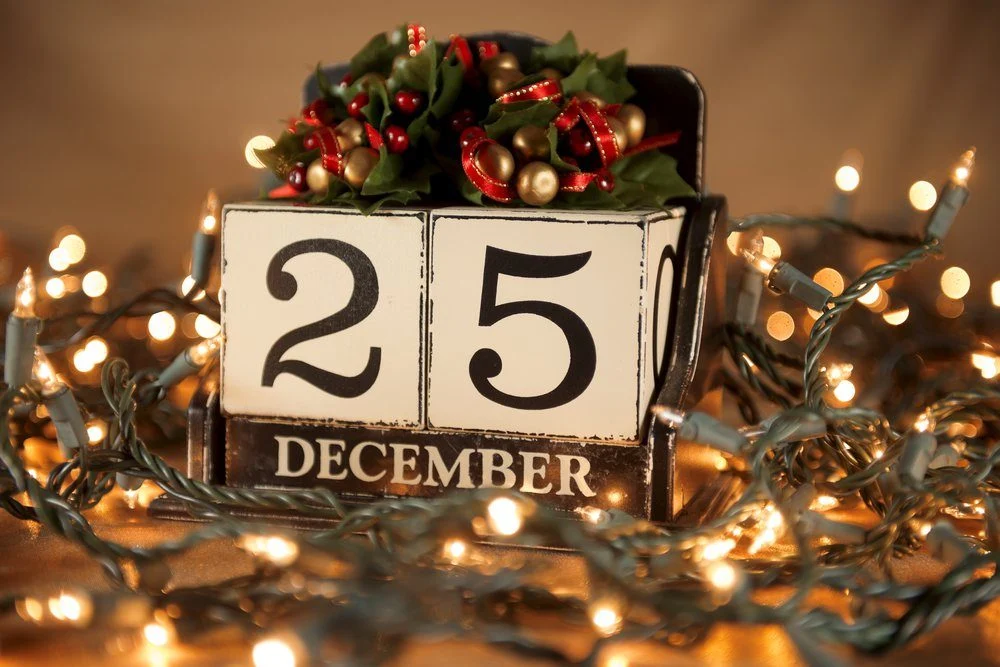
Christmas, celebrated on December 25th of each year, is a religious holiday that people around the world have been observing through both religious and nonreligious traditions for over two millennia. Christians celebrate Christmas to commemorate the birth of Jesus of Nazareth, a spiritual leader whose teachings form the basis of Christianity. Those who are nonreligious may also celebrate Christmas, whether it be through the exchange of gifts, making gingerbread houses, or decorating a Christmas tree.
The Beginnings of Christmas
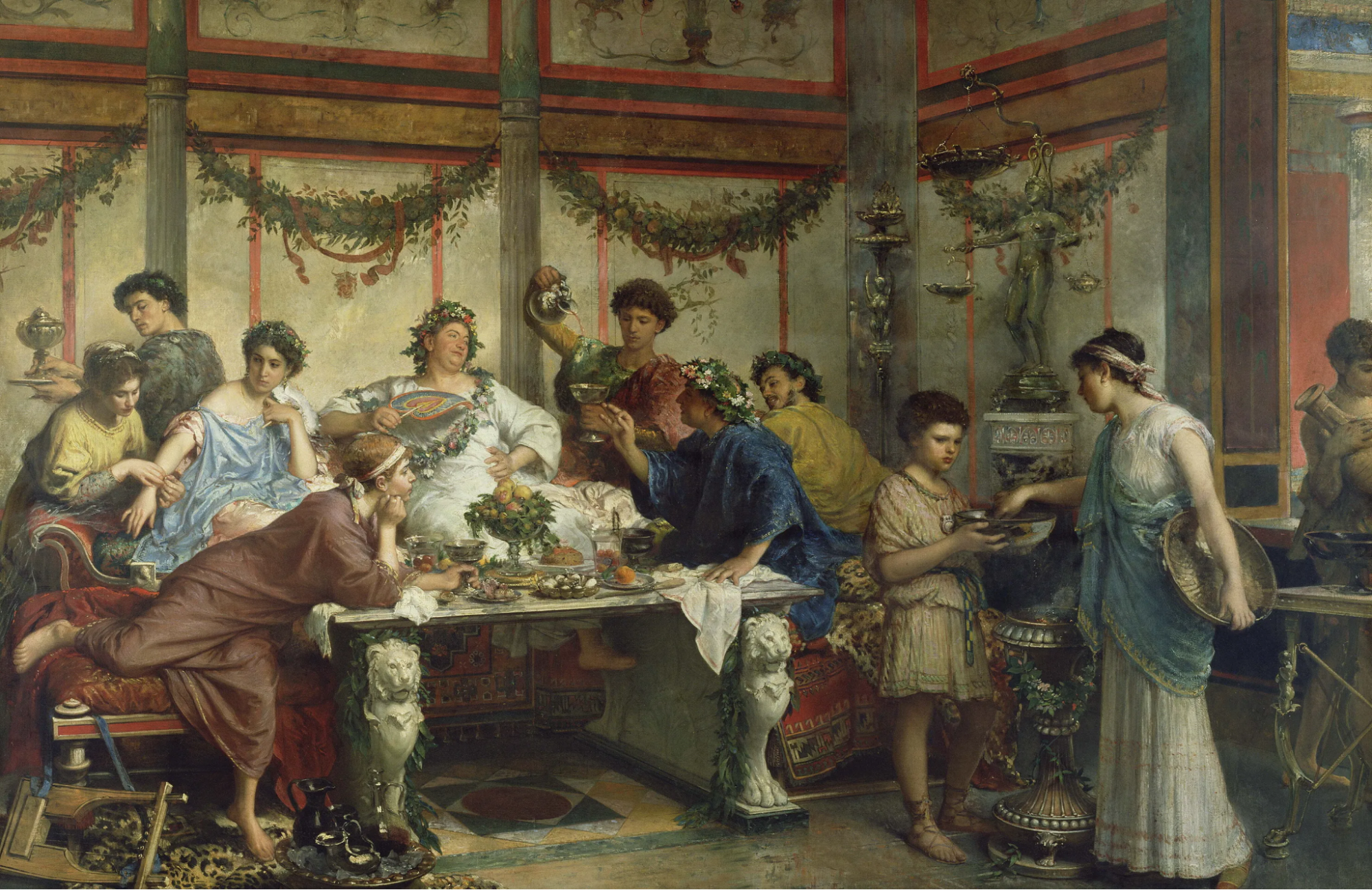
The inception of the Christmas holiday begins from both pagan and Roman cultures.
In Rome, whose winters were not as bitter as those in the far north, Saturnalia was celebrated; a holiday in honor of Saturn, the god of agriculture. The celebration of Saturnalia began in the week leading up to the winter solstice and continued for a full month, during which the Roman social order was turned upside down: the festivities that ensued gave the enslaved temporary freedom and treatment as equals. Establishments, including businesses and schools, were shut down during this time to ensure all were able to participate in the holiday celebrations.
On December 25th, the Romans celebrated the birth of their sun god, Mirthra, in a celebration known as Juvenalia. Juvenalia, like Saturnalia, was celebrated through raucous, drunken parties.
In December, during which the shortest (and hence darkest) day of the year falls, many pagan cultures lit bonfires and candles to keep the darkness at bay; this practice was incorporated into the celebrations of the pagan Saturnalia festival.
During the spread of Christianity across Europe, the Christian clergy were unable to curb the pagan customs and celebrations. As the clear date of Jesus’ birth was not mentioned in the Bible, Pope Julius I decided the pagan rituals were to be incorporated into a celebration of Jesus’ birthday, which was decreed to be celebrated on December 25th. By deciding Christmas be held at the same time as other traditional winter solstice festivals, church leaders increased the chances of Christmas being popularly embraced, but could no longer dictate how the holiday was to be celebrated.
By the Middle Ages, Christianity had, for the most part, replaced the pagan religions, and December 25th was celebrated as the birthday of Jesus Christ.
Common Ways Christmas is Celebrated
Decorating a Christmas tree
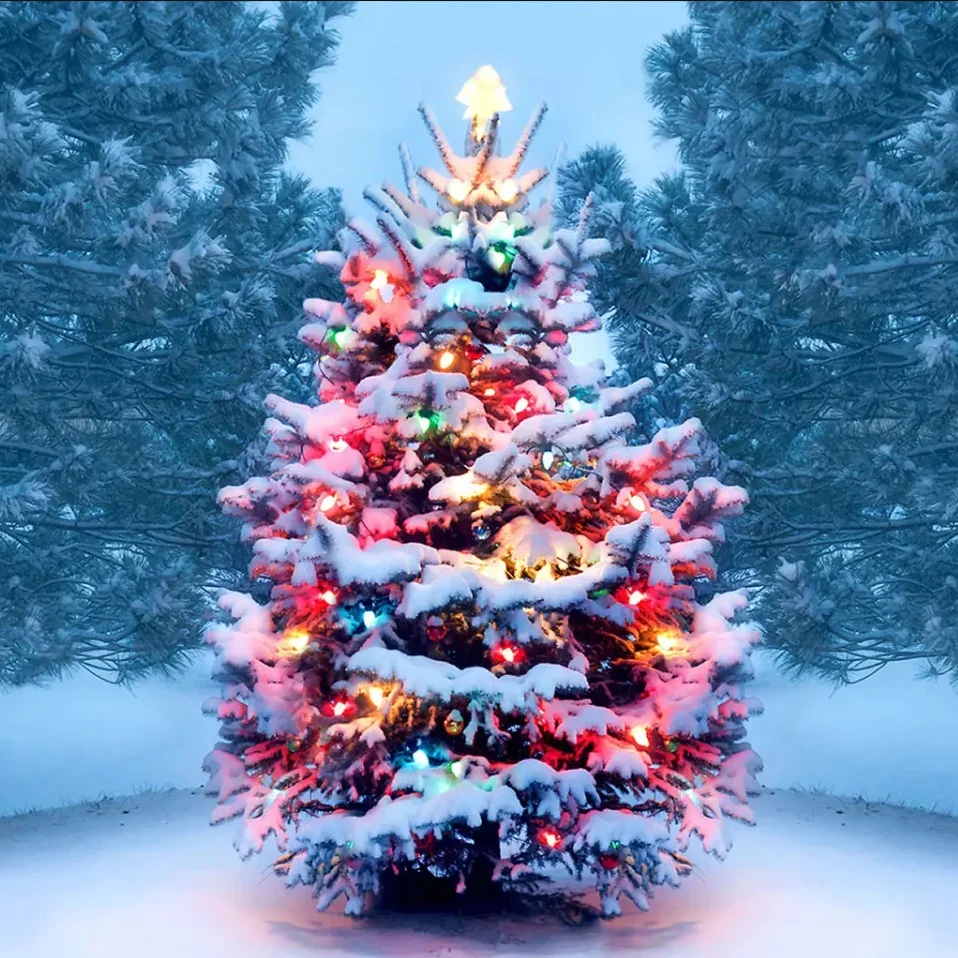
Historically, in many countries, evergreen trees were believed to keep away witches, ghosts, evil spirits, and illness. Although ancient Egyptians, early Romans, and ancient Celts did use trees as religious symbols, Germany is credited with the Christmas tree tradition as we know it starting in the 16th century, when devout Christians brought decorated trees into their homes. The 16th century Protestant reformer, Martin Luther, is believed to have first added lighted candles to the tree, in an attempt to recapture the brilliance of the stars twinkling amidst evergreens for his family.
Gingerbread Houses
Not only is Germany credited with the tradition of the Christmas tree, but baking of gingerbread houses is also said to have originated in Germany during the 16th century. The gingerbread house became popular in Germany after the publication of the fairy tale collection by the Brothers Grimm, including the story of “Hansel and Gretel,” in which a house made of candy was elaborately described. German bakers, inspired by the story, began to craft small decorated houses from lebkuchen, spiced honey biscuits.
Exchanging gifts
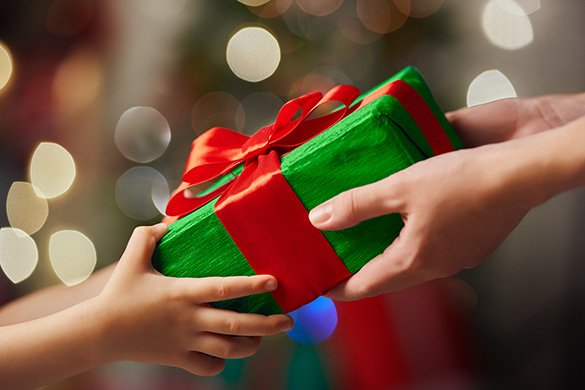
According to Christian tradition, gift-giving is a symbolic representation of the Three Wise Men bestowing gifts on the infant Jesus. Many cultures celebrate this event on January 6th, which is known as Epiphany or Three Kings Day. Along with the story of Saint Nicholas, a 4th-century bishop and generous gift-giver, the exchanging of gifts became a popular Christmas tradition, especially after Charles Dickens further popularized the tradition in A Christmas Carol. Prior to this, many cities and municipalities frowned upon such festivities, as they considered only formal religious observations to be appropriate.
Kwanzaa
by Jordin Lim
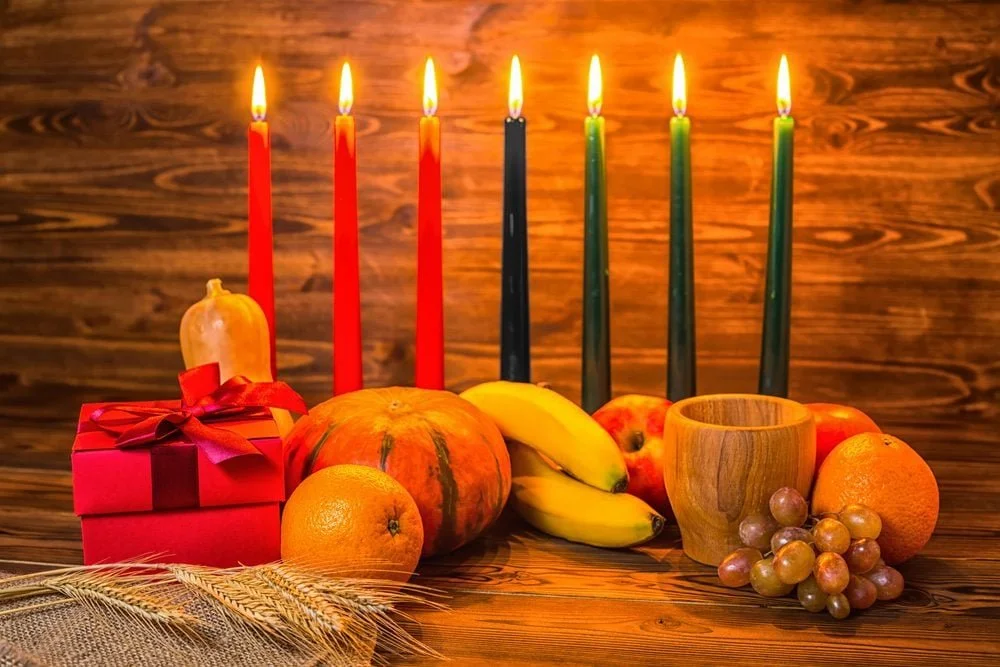
Kwanzaa is an annual celebration of African-American culture that supports cultural connection and honors traditions of those who comprise the African Diaspora. Lasting one week, Kwanzaa occurs from December 26th to January 1st. The event revolves around Pan-Africanism, unity, creativity, faith, and the giving of gifts. The term ‘Kwanzaa’ comes from a Swahili phrase, matunda ya kwanza, meaning ‘first fruits.’
History of Kwanzaa
Kwanzaa was created by Maulana Karenga, an American activist and author. In 1966, Karenga started the holiday as a way for African-American families to reconnect with their origins and embrace their community. Karenga was inspired by civil rights rebellions, such as the Watts Riots, in addition to another observance, Umkhosi Wokweshwama, which is an annual harvest festival for the Zulu people.
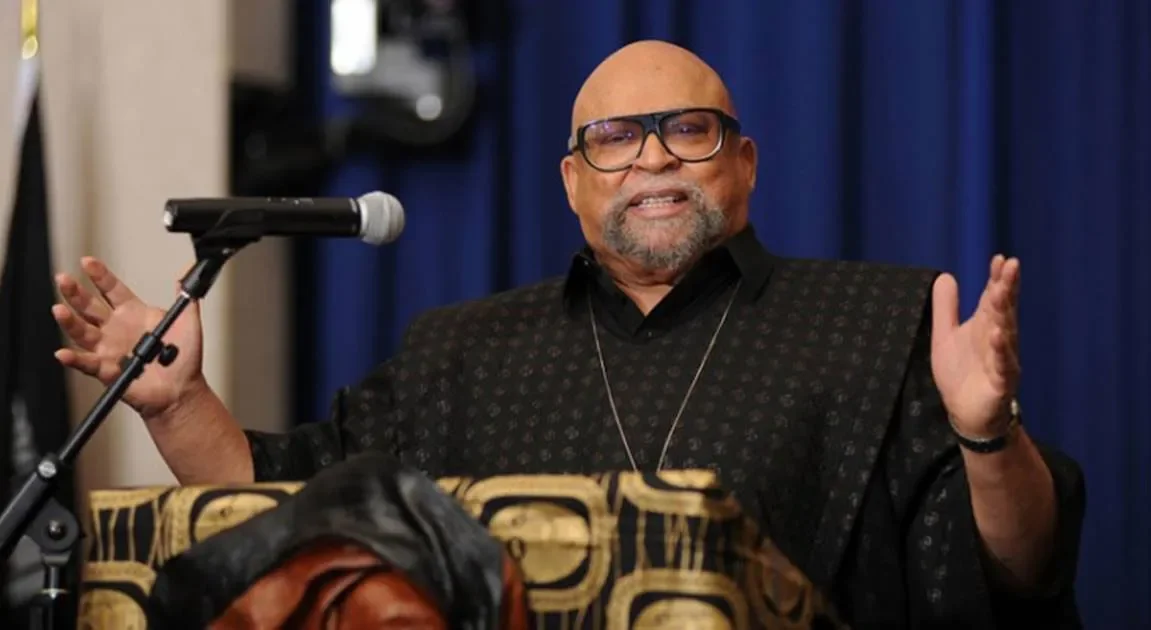
Mauluna Karenga
Traditions
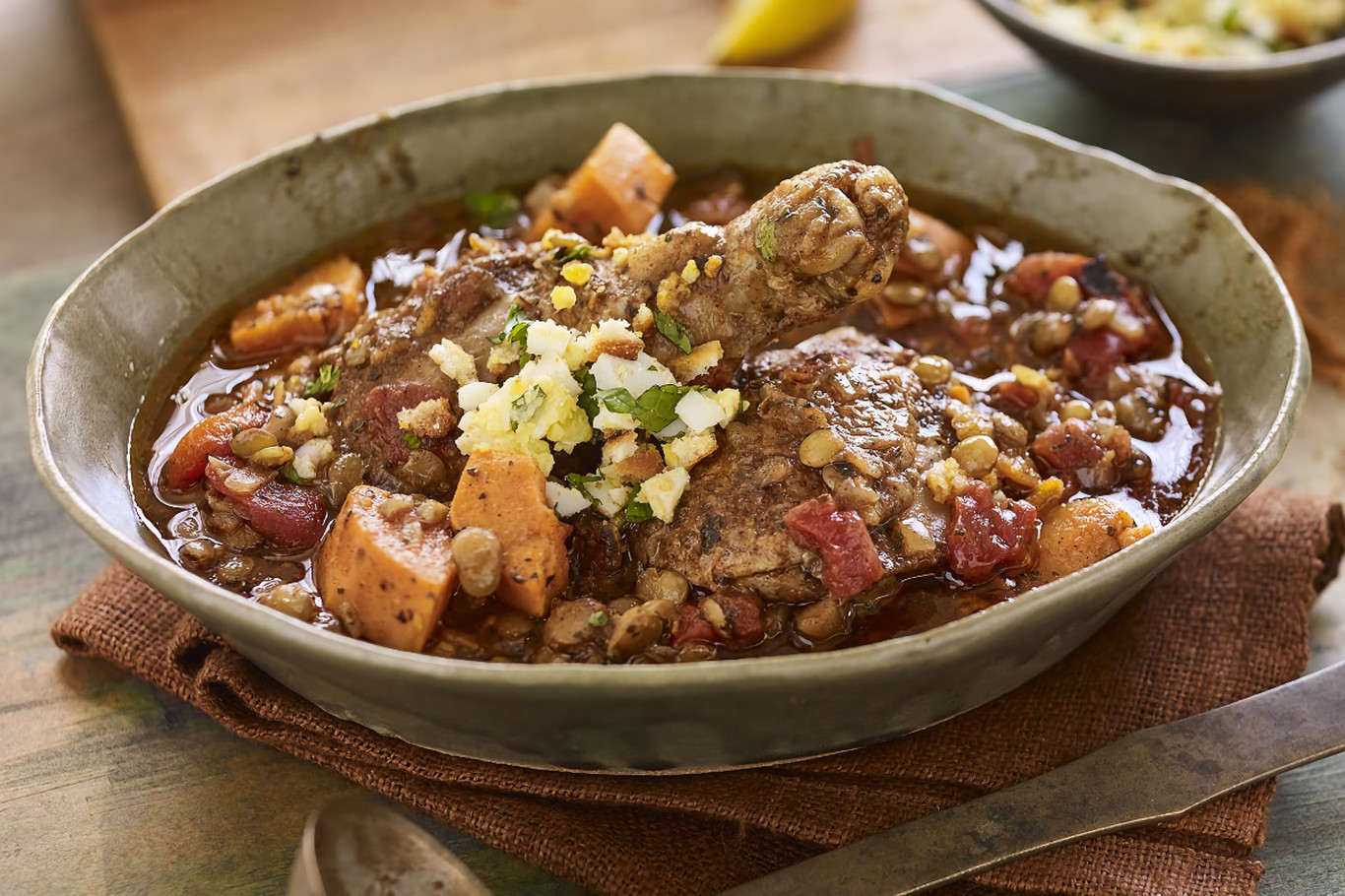
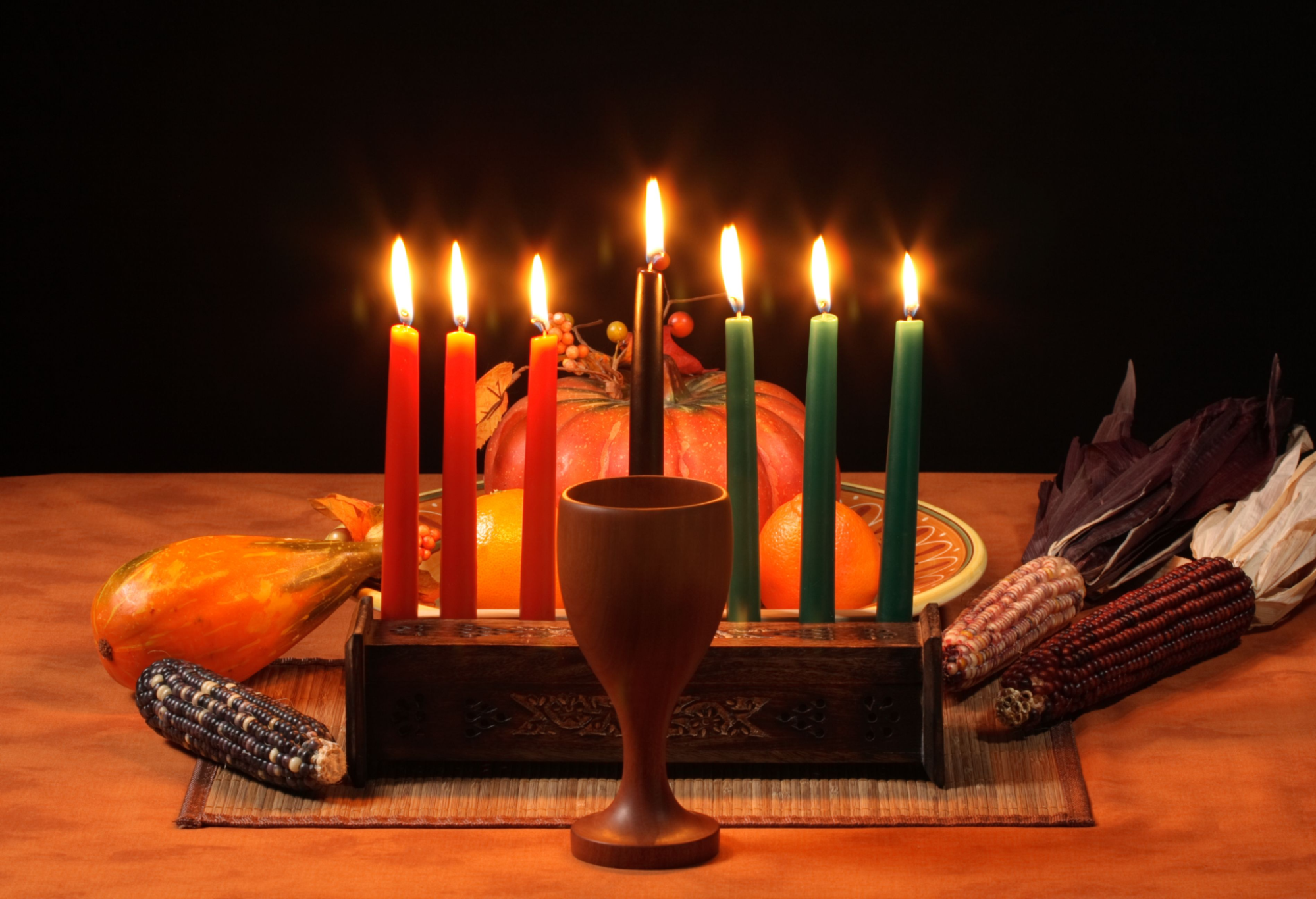
Karamu is a feast commonly on the 6th day of Kwanzaa, December 31st. Families add one ear of corn for each child in the family along with seasonal fruits to their main dish, a one-pot stew. Participants drink from the unity cup, also called kikombe cha umoja, in tribute to their ancestors.
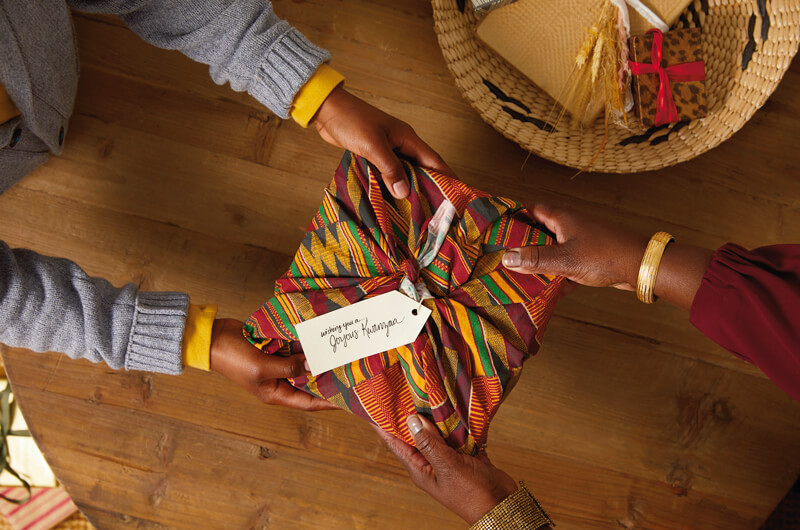
Giving gifts to children in exchange for their good deeds over the year is also customary. Handmade presents and symbols of their ancestry, such as jewelry from Africa, are common. Books or other objects that teach the next generation about their roots are recommended.
One tradition during Kwanzaa is the lighting of the kinara, which consists of black, green, and red candles, matching the colors of the Pan-African flag. The seven candles are lit one by one as the days of Kwanzaa go by. Each candle has a particular meaning that celebrated on that day, and they are lit in this order:
Red candle meaning Umoja (unity)
Red candle meaning Kujichagulia (self-determination)
Red candle meaning Ujima (collective work and responsibility)
Black candle meaning Ujamaa (cooperative economics)
Green candle meaning Nia (purpose)
Green candle meaning Kuumba (creativity)
Green candle meaning Imani (faith)